
20 Picture Books About Bullying for Teachers
The best picture books about bullying give kids language for what they're seeing: the child being targeted, the child doing the targeting, and the bystanders who could step in. This list of 20 covers all three roles, with a suggested read-aloud band for each so you can match a title to your class.


Reading a story out loud is often the easiest way into a conversation a class isn't ready to have directly. A book puts the problem at one remove. Nobody in the room has to admit anything, and the characters do the arguing for them. That's why so many bullying-prevention lessons start on the carpet with a picture book instead of with a rule.
The 20 titles below have earned a place in elementary and middle grade classrooms. They're listed in no particular order, and the list isn't exhaustive. There are excellent books missing from it, and that doesn't mean they aren't worth reading. It means we'd rather publish a list you can use than spend a year assembling a complete one. If you want the wider set of strategies these books support, our combat bullying resource collects them.
How to choose a bullying picture book for your classroom
Start with what you're actually trying to address, because the books below are not interchangeable. A story about a child who is being excluded does different work than a story about a child watching it happen and saying nothing.
It helps to be precise about the word itself. StopBullying.gov defines bullying as unwanted, aggressive behavior among school-aged children that involves a real or perceived imbalance of power and is repeated, or has the potential to be repeated, over time. All three parts of that have to be present. Teasing appears on the federal list of verbal bullying behaviors, but repetition and a power gap on their own don't settle it, and one careless remark between friends on a bad day doesn't either. Students conflate the two constantly, and so do adults. A read-aloud is a low-stakes place to start drawing the line.
Three practical filters:
- Which role is your reader in? Target, bystander, or the child whose behavior needs to change. Most of these books are written from the target's or the bystander's point of view, which is worth knowing before you plan the discussion.
- Does the reading level match the room? The suggested bands in the table are our read-aloud recommendations, not publisher age ratings. A book can sit above a class's independent reading level and still work perfectly well out loud.
- Will the ending do the work you need? Some of these resolve with the bully becoming a friend. Others resolve with the target simply carrying on unbothered. Those are different lessons, and one of them will fit your situation better.
20 picture books about bullying at a glance
| Book | Suggested read-aloud band | Best for |
|---|---|---|
| The Oak Inside the Acorn | PreK-2 | Self-worth, finding your strengths |
| The Invisible Boy | K-3 | Exclusion, quiet students |
| Tales from the Bully Box | Grades 4-7 | Discussion, multiple perspectives |
| Strictly No Elephants | PreK-2 | Being left out, choosing inclusion |
| Stand Tall, Molly Lou Melon | K-2 | Self-confidence, new schools |
| Stick and Stone | PreK-1 | Friendship, standing up for a friend |
| Llama Llama and the Bully Goat | PreK-K | Telling a teacher, earliest grades |
| The Berenstain Bears and Too Much Teasing | K-2 | Teasing, seeing the other side |
| The Story of Ferdinand | PreK-2 | Not fighting back, being yourself |
| A Glass Full of Rumors | Grades 2-5 | Rumors and gossip |
| Chrysanthemum | K-2 | Name-based teasing, self-esteem |
| Nothing Rhymes with Orange | K-3 | Difference, feeling like the odd one |
| Stand in My Shoes | K-3 | Teaching empathy directly |
| Wonder | Grades 4-7 | Facial difference, kindness, longer study |
| Captain Underpants and the Terrifying Return of Tippy Tinkletrousers | Grades 3-6 | Reluctant readers, humor |
| Thank You, Mr. Falker | Grades 1-4 | Learning differences, teacher impact |
| Hey, Little Ant | PreK-3 | Empathy, not following the crowd |
| Say Something | Grades 1-4 | Bystanders who stay silent |
| My Princess Boy | PreK-2 | Gender expression, acceptance |
| The Smallest Girl in the Smallest Grade | K-2 | Speaking up, one child's effect |
Two notes on the list. Wonder and the Captain Underpants title are illustrated novels rather than picture books, and they're here because they do the same job for older readers who have aged out of a carpet read-aloud. And several entries aren't about bullying at all on the surface. They're about self-worth, empathy, or friendship, which is usually where the conversation has to start anyway.
The Oak Inside the Acorn by Max Lucado
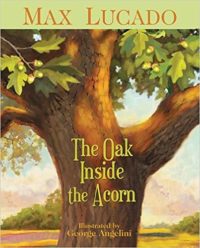 Lucado's story about an acorn growing into an oak isn't about bullying specifically, but it's relevant. The gist is that the little acorn struggles to find his purpose because he doesn't bear any fruit or flowers. As he grows, he realizes everyone has a different niche. We don't want to spoil the whole story, but Lucado handles self-confidence and comfort in your own skin well. It carries some religious undertones, as Lucado is a minister, though the message reads the same either way and the illustrations are colorful and detailed. It works for young children who are still working out what they're good at.
The Invisible Boy by Trudy Ludwig
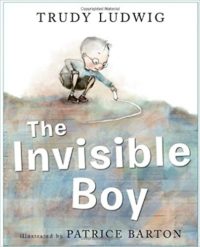 Ludwig writes about a boy named Brian who is basically invisible to his classmates. As the story continues, Brian befriends a new student and the two bring out the best in each other. It's a lesson in the importance of friendship, in noticing quieter students, and in how small acts of kindness add up. The best part is how recognizable the situation is. There are students in most schools who have been in Brian's position, which is what makes the discussion afterward land. Patrice Barton's illustrations use color to mark Brian's visibility, and that detail alone is worth pointing out to a class.
Tales from the Bully Box by Cat Woods, Sarah Tregay, Lauren Neil, Steven Carman, Linda Brewer, Eden Grey, K.R. Smith, and Precy Larkins
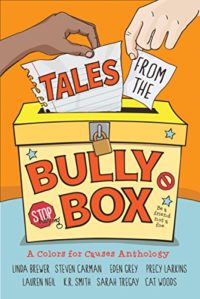 Tales from the Bully Box is a collection of short stories about bullying, told from a range of situations and perspectives. The subject matter is varied and the book includes discussion questions students can work through with a parent or teacher. The stories don't only show what bullying looks like, they also show ways of handling it. Because they read as ordinary school experiences rather than parables, they tend to prompt more honest conversation than a single narrative would, and the short-story format means you can use one at a time.
Strictly No Elephants by Lisa Mantchev
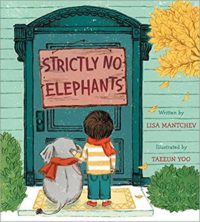 When a boy's pet elephant is excluded from the local Pet Club, the boy sets out to show the other members the error in their ways. Taeeun Yoo's illustrations carry a lot of the feeling, and Mantchev's story about friendship and inclusion is written with real care. Telling it from the boy's perspective adds weight to the lesson. By the end, you're rooting for the boy and his elephant, who, rather than say "I told you so," respond by widening the circle instead. The book works for children roughly 2 to 10, and its point about acceptance holds up for the adults reading it aloud.
Stand Tall, Molly Lou Melon by Patty Lovell
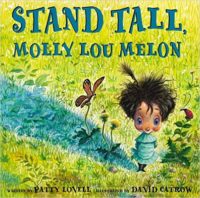 With illustrations from David Catrow, this is a feel-good story about self-confidence. Molly Lou Melon isn't a conventional beauty, and she's proud of herself anyway, so when a bully picks on her at her new school, she shrugs him off and carries on. The most useful thing about it is that Molly Lou never really doubts herself. She just keeps living her life regardless of what anyone says. That makes it a different kind of ending from most books on this list: nobody has to be converted, and the target simply doesn't take the bait. This was Lovell's first book.
Stick and Stone by Beth Ferry
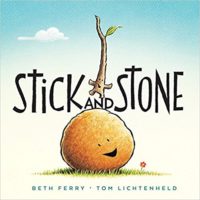 Sometimes the simplest message is the most effective, and that's the case in Ferry's short book about friendship. She keeps it lighthearted and adventurous, and it's easy for students to identify with the quiet Stone, the more formal Stick, or the prickly Pinecone. The story is told in rhyming couplets, and its lesson about friendship in the face of bullying is easy to spot. Tom Lichtenheld's illustrations aren't overly dramatic, and the colors bring out the warmer moments. For the earliest grades, the rhyme does a lot of the retention work for you.
Llama Llama and the Bully Goat by Anna Dewdney
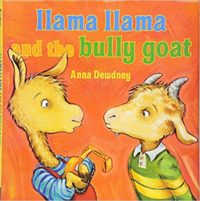 Gilbert Goat is a bit of a bully who makes school less fun for the other animals. Llama Llama isn't afraid to tell Gilbert what he thinks of his behavior, and Gilbert has the self-awareness to see the error in his ways, so everyone ends up friends. The characters aren't developed much past that, but this is a book for preschool and kindergarten, and the young animals' diplomacy is the point. It will make small children laugh, and it models telling a grown-up rather than retaliating. The pastel illustrations are easy on the eyes. Dewdney, who died in 2016, left a long shelf of Llama Llama books behind her, and this is the one that belongs in a bullying unit.
The Berenstain Bears and Too Much Teasing by Stan and Jan Berenstain
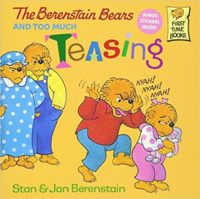 The Berenstain Bears series is a classic, and it takes on bullying in a way that reads as fun rather than instructive. When Brother Bear starts teasing Sister Bear because he thinks it's funny, he becomes the focal point of the lesson. Once Brother Bear is the target of the teasing himself, he learns quickly what it's like on the other end of the remarks. This wasn't the Berenstains' only book on the subject, but the reversal is what makes it a standout, and it's one of the few entries here written from the point of view of the child doing the teasing.
The Story of Ferdinand by Munro Leaf
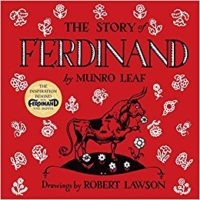 Ferdinand is probably the most famous non-fighting bull in children's literature, thanks to his role in Leaf's 1936 classic. Accompanied by Robert Lawson's pen sketches, Ferdinand is calm and content and has plenty to teach about refusing a fight you're expected to take. The ending feels good without being saccharine, and it's hard to put the book down without wishing you had a bit more Ferdinand in you. For a class that has absorbed the idea that standing up for yourself means hitting back, this is a useful counterweight.
A Glass Full of Rumors by A.M. Marcus
 Marcus writes self-improvement books for young readers, and this one is on the mark. It's quick and easy to read, the storytelling is clear, and Elisa Bindi's illustrations are colorful and bright. Children won't struggle to pick up on the harm rumors do, and they may pick up something about Socrates along the way. The ending is a happy one. Rumors and social exclusion are the hardest forms of bullying for a teacher to see happening, which makes a book aimed squarely at them more useful than its length suggests.
Chrysanthemum by Kevin Henkes
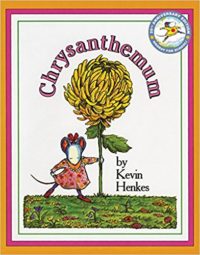 Chrysanthemum is an award-winning children's book from 1991 that deals with self-esteem and teasing in a way funny enough to make the adult laugh out loud once or twice. If you have an unusual name, you have probably been teased for it. Chrysanthemum is a new kindergartner in exactly that position. The teasing from the other girls is uncomfortable to read, which is part of why it works, and the ending is warm without pretending the problem was small. It's one of the most reliable first-week-of-school read-alouds on this list.
Nothing Rhymes with Orange by Adam Rex
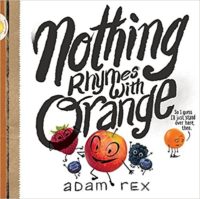 Go ahead. Think of a word that rhymes with orange. We'll wait. Hats off to Rex, who had us smirking through a book about embracing differences and celebrating the absurd. The concept is funny, the songs are funny, and the made-up words are creative and funny. The illustrations, which Rex also did, aren't too shabby either. There are worthwhile lessons folded in between the singing, and any children's book that works in the pronunciation of Friedrich Nietzsche has earned a pat on the back. Use it when the child feeling left out needs to laugh rather than be counseled.
Stand in My Shoes: Kids Learning About Empathy by Bob Sornson, PhD
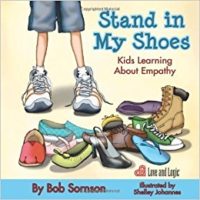 A lifelong teacher and school administrator, Sornson founded the Early Learning Foundation and developed an early learning success model, which makes him a fitting author for a book about children meeting the idea of empathy for the first time. The story follows Emily as she learns how empathy changes the way she sees people. Kindergarten and early elementary teachers use Stand in My Shoes as a resource for teaching respect and kindness. Shelley Johannes portrays the emotions clearly in the illustrations. It reads more like a teaching resource than a story, which is either the point or the drawback depending on your lesson.
Wonder by R.J. Palacio
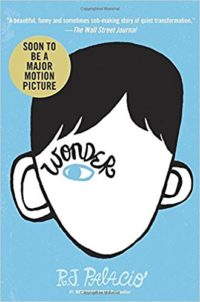 Wonder was a No. 1 New York Times bestseller and was adapted into a film in 2017 starring Julia Roberts, so most classes will arrive with some awareness of it. It's a feat of storytelling, moving between several perspectives as Auggie Pullman navigates fifth grade with a facial difference that causes most people to look away. Parents of children with visible differences describe Auggie as recognizable, and the detail Palacio put into his experience is a large part of why. The humanity of children like Auggie and the compassion of the people around him are the takeaways. This is a novel, not a picture book, and it rewards being read over weeks rather than in one sitting.
Captain Underpants and the Terrifying Return of Tippy Tinkletrousers by Dav Pilkey
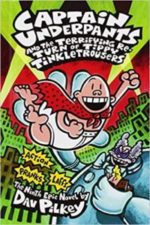 The Captain Underpants series is a personal favorite, and when George and Harold travel back in time and have to face sixth-grade bully Kipper Krupp, Pilkey is at his best. Without the services of Captain Underpants, who hasn't been invented yet, the two have to outwit their tormentor, and Pilkey finds an exciting and lighthearted way for them to do it. The book is goofy by design, which makes it a fun read for older elementary students and middle schoolers, and Pilkey still folds in anti-bullying messages worth discussing. For a reluctant reader who won't touch an earnest book about feelings, this is the way in.
Thank You, Mr. Falker by Patricia Polacco
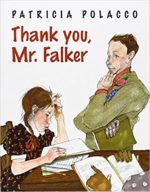 This one is less about bullying than about what encouragement from a teacher can do, and it belongs here for that reason. Mr. Falker recognizes that his student Trisha is dyslexic, and that while she's a terrific artist, she struggles with words on a page. He doesn't only support her; he pushes her to work at it. What makes the story land is that Polacco, a well-known children's author, is dyslexic herself and is writing about her own teacher. It won't surprise you with twists, but it will make you smile, and it's a reminder of how much a single adult noticing can change.
Hey, Little Ant by Phillip and Hannah Hoose
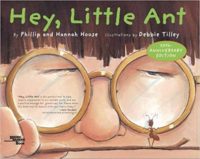 The father-and-daughter team of Phillip and Hannah Hoose first wrote this as a song, and Debbie Tilley's cartoon sketches make it work just as well on the page. Everyone has had the urge to squash an ant. The Hooses turn that on its head by asking what happens if the ant can speak and feel. The story doesn't address bullying head-on, but it's about not following the crowd and about extending empathy past the obvious, and it ends without telling the reader what to decide. That open ending is the best discussion prompt on this list.
Say Something by Peggy Moss
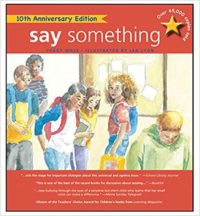 Moss takes on teasing by focusing on what someone should say when they see it happening to someone else. The main character watches teasing all around her and stays quiet at first. When the tables turn on her, she works out that being a silent bystander isn't a neutral position. She uses that to comfort other targets and to make the case for speaking up. Lea Lyon's illustrations carry the characters' emotions well, and Moss includes discussion questions at the end. If you only use one bystander book, this is the one.
My Princess Boy by Cheryl Kilodavis
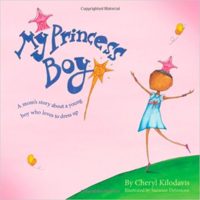 Kilodavis writes about a topic many children's books avoid. Inspired by her own son, she writes about a boy named Dyson who likes to wear dresses and tiaras and prefers pink, and she describes the book as non-fiction. It's a story about compassion, acceptance, unconditional parental love, and friendship. Rather than skirt a difficult subject, Kilodavis goes straight at the stereotypes to make her case for tolerance. Suzanne DeSimone's child-like illustrations and the spare text keep it accessible for the youngest readers, and the message is easy to follow.
The Smallest Girl in the Smallest Grade by Justin Roberts
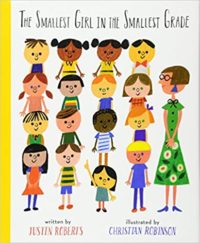 A Grammy-winning children's musician by day, Roberts, with illustrator Christian Robinson, tells a rhyming story about a small girl who stands up to bullying despite her size. The content is light, since the book is aimed at kindergartners, but it moves quickly and the messages land. The illustrations are bright and it's easy to root for Sally McCabe as she takes on the playground. The premise, that the smallest person in the building notices what everyone else overlooks, is a useful thing to say out loud to a class.
Using these books as read-alouds
A book on its own doesn't change behavior. What it does is give a class shared characters to argue about, which is easier than asking children to talk about themselves. A few things that help.
Read it once without stopping. Questions every other page break the story, and the story is what holds attention. Save the discussion for the end or for the next day.
Ask about the bystanders, not just the target. Most of these books have a crowd in them. Asking what the crowd could have done shifts the conversation from sympathy to agency, and it reaches the majority of the class rather than the one or two children directly involved.
Don't make it about anyone in the room. If a book maps onto a live situation in your class, students will notice on their own. Pointing at it turns a read-aloud into a punishment and shuts down the discussion you wanted.
Come back to the same book. A title students already know becomes shorthand. Referring back to Molly Lou Melon or to Say Something months later takes ten seconds and does more than re-teaching the concept from scratch.
Frequently Asked Questions
What's the difference between teasing and bullying?
StopBullying.gov defines bullying as unwanted, aggressive behavior involving a real or perceived imbalance of power that is repeated or has the potential to be repeated. Teasing is listed among verbal bullying behaviors, but it only meets the definition when all three parts are present, so a power gap plus repetition doesn't settle it on its own. It's the distinction students most often get wrong. Bear in mind too that bullying definitions, reporting obligations, investigation procedures, and required responses vary by state law and district policy, so follow the requirements that apply where you teach rather than the federal definition alone.
What age should you start reading books about bullying?
Several titles here work in preschool, including Llama Llama and the Bully Goat and Stick and Stone. At that age, the useful content is usually simpler than bullying itself: telling an adult, noticing when someone is left out, being kind to somebody who looks upset. The books that name bullying directly tend to land better from kindergarten upward.
Are any of these written for the child doing the bullying?
Most are told from the target's or the bystander's perspective, which is a real gap in the genre. The Berenstain Bears and Too Much Teasing is the clearest exception, since Brother Bear starts as the one doing the teasing and ends up on the receiving end. Llama Llama and the Bully Goat also gives Gilbert Goat a change of heart rather than a punishment.
Do read-alouds actually reduce bullying?
A single book won't. Research on bullying prevention generally points to whole-school approaches rather than one-off lessons, and a read-aloud works best as one piece of that: a way to build shared vocabulary that a school's policies and adult responses then reinforce. Treat these as conversation starters inside a broader plan, not as an intervention on their own.
More Bullying Prevention Reading
- 3 Types of Bullying in School + 1 Immense Social Challenge
- 5 Reasons Why Schools Have a Difficult Time Stopping Bully Behaviors
- 5 Reasons Why We Need to Define Bully Behavior and Stop Generalizing Events as "Bullying"
- 6+ Steps to Addressing Bullying When It Occurs
- 9 Strategies We Can Teach Students to Problem Solve
- 7 Ways How to Raise a Defender of Bully Prevention
- Provocative Victims and 7+ Practices for Victory
- One School Wide Philosophy: High-Trusting Relationships
- 13 Ideas to Combat Bullying at the Community Level
- 6 of the Most Hideous Cyber Bullying Tactics Used By Students
- 11 Communication Strategies to Combat Bullying
- 20 Ideas To Successfully Use Bully Data
- 5 Reasons Why Strong Instruction Affects Bully Prevention
- #1 Instructional Lesson for All Students on Bully Prevention
- Power of Buddy Classrooms: 19 Ideas
- 8 Ways to Teach Empathy
- 10 Ways to Empower Defenders
- 9 Reasons Culture Trumps Strategy
- One School-Wide Strategy: Kindness Campaign
- Match the book to the role, not the topic - a story about exclusion does different work than one about a silent bystander, and the table above sorts the 20 titles on that axis.
- Bullying has three parts - unwanted aggressive behavior, a real or perceived power imbalance, and repetition or the potential for it, per StopBullying.gov. Teasing meets that bar sometimes and not others, and state law and district policy govern how a school has to respond.
- Preschool needs a simpler lesson - telling an adult and noticing who's left out, rather than the word "bullying" itself.
- The bystander question reaches the whole class - asking what the crowd could have done involves everyone, not only the children directly affected.
- One read-aloud is not a program - these work as shared vocabulary inside a whole-school approach, and the reading list above covers the rest of that ground.
Bullying prevention is one of those areas where formal training changes what you can actually do in a classroom, from behavior management coursework to school counseling and special education credentials. Requirements for special education endorsements and certification and for school counselor credentials vary by state, so check that a program meets the requirements where you intend to work. The sponsored programs on this page include online and hybrid options for teachers who are already working, and several are open to applicants whose degree is in another field.
- The Benefits of Bilingual Education: Models, Outcomes, Credentials - October 30, 2017
- 50 Field Trip Ideas for Teachers Across the U.S. - October 26, 2017
- Parental Tips and Advice to Get an IEP Approved for Your Child - October 4, 2017