
11 Communication Strategies to Combat Bullying
5/8/2017


Back to the main Bully Prevention Guide.
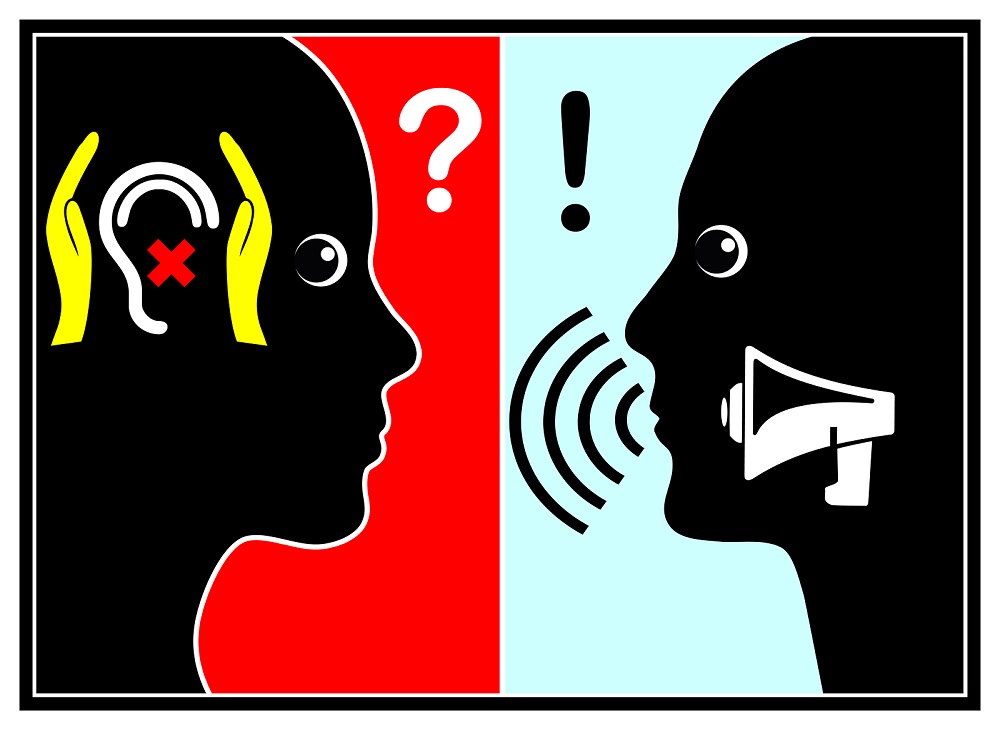
If communication is the key to being proactive in stopping bullying behaviors, then why is it so hard to end? When bully behaviors continue, we definitely get frustrated on our next steps to stop them. I believe communication can solve this problem. It must include students, parents, school personnel, and the community. Here are 11 strategies you can use to combat bullying. As you read, think about which strategies you already use, and which ones you can enhance.
PU #73 - Communication Strategy: School Staff to Students
In the school environment, the communication between staff is student is the most critical strategy to stopping bully behaviors. We have students 1,080+ hours a year and what we do within our walls can directly affect the well being and safety of our students. We must believe that all students can learn and we believe that they are worthy of our time. Then the following statement is true: All bully behavior can be decreased! Notice I did not say stopped; bully prevention will be an ongoing plight.
Communication between staff and students include both formal and informal instruction throughout the classrooms and campus. Many states have laws against bullying and require school districts to implement curriculum that addresses bully behaviors. One of the most successful bully prevention curriculums is Hazeltden: Olweus Bully Prevention Curriculum.
Lessons from staff members should occur routinely and discussion should be mandatory weekly, and is some cases, daily. These formal lessons tackle age appropriate situations, and should address current bully behaviors in the learning environment. All staff members should be trained in the program: bus drivers, to lunch personnel.
Informal communication should occur from all staff members throughout the school and it is most effective when adults address situations immediately. When a janitor sees bully behaviors occurring, do they know what to do? Are they equipped with words to address it instantaneously? When all staff members understand bully prevention and can address it informally, bully behaviors can decreased!
PU #74 - Communication Strategy: School Staff to Parents
Educating parents can be difficult. Almost all parents have one thing in common…they went to school. Knowing this, parents are always comparing their educational experience, good or bad, with their son or daughter's experience. If we as school staff understand this, we must not be afraid to educate and communicate often with our student's parents. We must start with an open line of communication.
The trust factor is key to communication. Parents need to feel comfortable and safe addressing bully behaviors with the school. Hopefully, parents will start with the classroom teacher, then address it with an administrator if it persists. Building trust takes time. If a parent believes that addressing the issue with the classroom teacher or principal is not effective, then the bully behaviors are almost guaranteed to continue. Once this trust is established, we can really put our information to good use.
School staff can use many tools and strategies to combat bully behaviors. Newsletters, flyers, pamphlets, emails, web sites, blogs, video blogs, social media (Facebook, Twitter, etc…), parent nights, phone calls, texts, surveys, and even one-on-one meetings can be great communication tools with parents. Truly, a combination of all of these strategies will be best to implement.
One area that educators do not use enough is calling home on bully behaviors. Many times, we are being proactive with a parent and letting them know that their son or daughter exhibited bully behaviors and we need them stopped before further action is needed. We also need to make phone calls home to praise students who were defenders…those students who stuck up for someone else. As you know, what we pay attention to is what we will get…in this case, more defenders! Positive and proactive communication can decrease bully behaviors!
PU #75 - Communication Strategy: School Staff to Community
When the community finds out that a student has been bullied and a horrible story goes viral, the school culture can be crushed! School staff can combat this in many ways to get their story out there. The more the community knows about your school's culture, the more they know that the school staff will addressing both academic and the social needs of students. Social and emotional education has been a hot topic lately and if your school does not have some type of curriculum to address student growth in these areas, you are bound to have more bully behaviors in your school.
We must use much of the same strategies to get information out to the community as we do with parents: social media, TV, news, service projects, and more. Getting the community involved in the school through partnerships is another way to get the word out on what the school staff is doing to combat bully behaviors. Community members can volunteer for events in your school. They will get to participate and see firsthand how kids and adults are treated, and how the school works to keep the learning environment safe, secure, and positive.
PU #76 - Communication Strategy: School Staff to School Staff
How do school staff communicate with each other on bully behaviors? There are many structures within a learning environment that are necessary to combat and decrease these behaviors. All staff members must be trained at a minimum level with bully prevention information: identifying, investigating, and taking action when dealing with bully behaviors.
Staff members are trained to get the bully behavior stopped at the lowest level. If we cannot, then there must be structures put in place to increase communication with staff members, increase parent involvement, re-teaching, and possibly more severe consequences.
When addressing bullying behavior, staff members should immediately stop the behavior by intervening. They model language, reteach, communicate to other staff members, and may even hand out consequences, as well as getting parents involved. Communicating to other staff members supports the idea that we need to take action immediately. We tracking behaviors, we should always be looking for patterns of frequency, duration, and intensity.
Depending on the severity of the bully issues in your school, data can be shared school-wide on bully behavior. Staff can dig into the data together to find system-wide solutions, as well as individual student behavior plans. There may even be students with a high frequency pattern of bullying in which all staff members may be able to support. In our school, all staff members know the top 10 students who received discipline referrals. School-wide positive and negative rewards are in action, as well as interventions to support this group of students.
PU #77 - Communication Strategy: Students to School Staff
The ability for students to report bully behaviors to school staff is critical. When reported, school staff can put into action structures, procedures, re-teaching, parent communication, and school consequences to get it stopped. Too many times parents and the community get upset with schools because it seems to them that the behaviors have continued though we do not know the behavior has even occurred. It is difficult to stop something if we do not know it is going on in the first place.
Students must feel comfortable and safe reporting bullying behavior to staff members. Usually students report to the person they feel the safest with or a person whom they know will take action. If students do not feel comfortable reporting to a staff member, then they need to report it to a trusted adult at home. Then that adult can notify the school.
Setting up a reporting system with students can come in several different methods. The most efficient is talking to a trusted staff member immediately after an incident of bully behavior occurs. Students can also keep a journal or log of the following information: date, time, location, what bully behavior occurred, who was involved, were there any witnesses, and anything else that might help the investigating staff member.
A Reporting Box can be another useful strategy to stop bully behaviors. Setting up a box in a key location for students to write down the bully behavior that occurred to them or that they witnessed is another strategy for students that are reluctant to report to an adult. The notes students leave must have names on them so the investigating staff member knows where to start.
PU #78 - Communication Strategy: Students to Parents
As an educator a student who does not report bullying to us, yet can tell their parents about the situation, can be difficult to manage. In fact, many school personnel can look at students communicating to only their parents about bully behaviors as negative. As educators, we need to reframe this perception and put our parents into action. We know that many times parents are the first to hear about an incident that occurs at school. As staff members, we need to know it occurred in order for us to be able to stop the bullying behavior. We encourage students to report to a trusted adult at school, but if they cannot, we want students to be able to report to a parent at home.
We want parents to communicate with us for the safety of all students. Sometimes we find out that the behavior is not bullying, but a disagreement or an incident that has more than one side to it with two guilty parties. Knowing this, we must proceed with caution, gather as many facts as possible, and then reconnect with the parent with further information.
Students should also be talking with their parents about friendships and relationships. A parent can learn a lot about how their son or daughter reacts when there is adversity. What parents model and teach is usually how they handle this adversity. Students also get information from the school's social/emotional curriculum, including bully prevention material. Students should be able to tell their parents about many aspects of bullying at every grade level.
PU #79 - Communication Strategy: Students to Community
How (and why), you ask, can students communicate to the community about bully prevention? I feel this is actually one of the least used communication strategies to combat bully behaviors. School staff members can communicate about bully behaviors until their face is blue. What can be more powerful is having students teaching the community about bullying prevention.
Students can create videos, public service announcements, community presentations, and even go out to local businesses to spread the word about bully prevention. Videos can powerful that explain what other students are going through when they are battling bully behaviors. Skits can also teach the community about a bully behavior, it can then be broken down systematically with the ultimate goal for others to take action. PSA's can do the same thing. Public presentations could include parent discussions with the goal in finding a community and school solution or even creating an action plan to combat bully behaviors. Students can bring the message to the community by visiting popular locations.
PU #80- Communication Strategy: Parents to Students

Parents who are successful at combating bullying behaviors are constantly teaching their children how to deal with adversity. Many times parents teach the same strategies they were taught while they were in school. This can be good and bad.
Parents are the first teachers for all children. They teach their students what to do when they first experience adversity with a friend or a true bully. They model actions, teach language, and help plan with their children how to deal with the next time they encounter these situations.
Unfortunately, some parents do not have these conversations with their children. Even more upsetting is that fact some parents tell their children if bullying happens to them, they must physically fight back…in essences, eye-for-eye mentality. This does not solve the problem and many times makes it more difficult for school staff members to effectively deal with it when it comes to school.
School staff can support parents with information and strategies to use with their students. Many times, it is difficult for school staff to connect the correct parents with the needed strategies. These parents sometimes do not realize they even need this support, or communication is nonexistent. Home visits may be the solution.
PU #81 - Communication Strategy: Parents to School Staff
Parents must feel comfortable coming into the school. School culture plays a big role in parent's comfort level when voicing their concerns. If parents feel like they can work with the school staff on a viable solution, then school culture is positive and on track to decrease bullying behaviors. If parents feel like the school staff is not going to listen to their concerns (or effectively deal with it), they may handle the situation on their own.
Teaming with parents should be a school staff's primary goal when dealing with bully behaviors. Parents can communicate with school staff in a myriad of ways. Here are the most common tools: emails, face-to-face interactions, letters, and phone calls. An open door policy is only as good as the school staff members advertise it and follow through. Parent surveys can be useful data for school staff members to put parent voices into action.
PU #82 - Communication Strategy: Parents to Community
Parents communicating with community members is another powerful and untapped strategy in combating bully behaviors. Recently, parents have been creating positive videos about combating bullying that have impactful strategies. Some of these videos have reached well over 10,000 views. These messages are encouraging as families can access these videos for advice and further strategies. Schools can then use these videos as a resource for other parents, as well as using them as instructional tools in the classrooms.
Parents can also go to highly visited areas in the community to spread the word of bully prevention: churches, stores, community centers, etc… This could be partnered with the school's PTA. The message would be powerful, especially since it is not coming from the oversaturated information delivery methods from the schools.
PU #83 - Communication Strategy: Community to School Staff
Too many times, we rely on the normal information delivery systems within our schools. We must think outside the box in order to be more effective in stopping bullying behaviors. Getting community and business partners can help spread the word of bully prevention; businesses can even fund the outgoing messages. How many businesses would take a stand with your school against bullying? Create a challenge, start a poster contest with students, fund a commercial (or PSA/video) teaching students and the community how to combat bullying behaviors.
Invite community members into our schools to volunteer, offer advice to our school staff, and celebrate the great things going on in our schools. We often invite community members in for a onetime event, but we should be challenging our schools to create long lasting partnerships that can change a community. These partners can give us advice through surveys, roundtable discussions, and so much more to create a bully free community.
MORE BULLYING PREVENTION GUIDE RELATED READINGS:
- 3 Types of Bullying in School + 1 Immense Social Challenge
- 5 Reasons Why Schools Have a Difficult Time Stopping Bully Behaviors
- 5 Reasons Why We Need to Define Bully Behavior and Stop Generalizing Events as "Bullying"
- 6+ Steps to Addressing Bullying When It Occurs
- 9 Strategies We Can Teach Students to Problem Solve
- 7 Ways How to Raise a Defender of Bully Prevention
- Provocative Victims and 7+ Practices for Victory
- One School Wide Philosophy: High-Trusting Relationships
- 13 Ideas to Combat Bullying at the Community Level
- 6 of the Most Hideous Cyber Bullying Tactics Used By Students
- 11 Communication Strategies to Combat Bullying (Currently here)
- 20 Ideas To Successfully Use Bully Data
- 5 Reasons Why Strong Instruction Affects Bully Prevention
- #1 Instructional Lesson for All Students on Bully Prevention
- Power of Buddy Classrooms: 19 Ideas
- 8 Ways to Teach Empathy
- 10 Ways to Empower Defenders
- 9 Reasons Culture Trumps Strategy
- One School Wide Strategy: Kindness Campaign

As a 5th grade teacher, in 2010 Jon won the Presidential Award for Elementary Math and Science Teaching (PAEMST). As a principal, his school won the 2012 Blue Ribbon Award. In 2018, he won the National Distinguished Principal Award (NDP). In 2019 he won the National No Kid Hungry Breakfast Hero Award.
Jon is the author of three guides published on teacher.org: An Educator's Guide to Combat Bullying & Bully Prevention; Teacher Evaluation: A Transition Guide to Exemplary Performance; and You are the Wild Card: Infusing Fun Back into Curriculum. He has authored a children's picture book that was released January 2019 titled Benjamin’s Visit to Principal Reads Office…again! (available at www.archwaypublishing.com)
- Learning How to Say No and Set Boundaries with Parents - November 21, 2022
- If You Had Only One Behavior Strategy to Use in Your Classroom, What Would It Be? - September 26, 2022
- Live Your Code: 7 Strategies That Will Help You Be the Most Effective Educator You Can Be - August 15, 2022