


How to Keep Kids Off Their Phones While Homeschooling
By: Scott Wilson | Sep 2, 2026
The most reliable way to keep kids off their phones while homeschooling is to agree on a spot where the phone goes during schoolwork, out of reach and out of sight. Set a clear return point, keep the work surface phone-free, and switch off notifications before the session starts.
Featured Programs: Sponsored School(s) Liberty University Featured Program: Bachelor of Science in Special Education – Interdisciplinary Studies, Master of Arts ...Classroom Seating Arrangements: 5 Questions Every Teacher Should Ask
By: Jon Konen | Nov 21, 2017
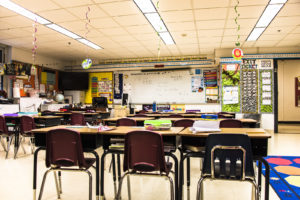
No single classroom seating arrangement works for everything. Match the layout to the activity: rows for independent work and testing, pods of four for cooperative learning, a horseshoe for whole-class discussion. Check each student’s IEP or Section 504 plan for any required seating accommodations, then plan for safety, sight lines, ...
10 Note Taking Strategies for Students That Actually Work
By: Amy Konen | Nov 21, 2017

The most effective note taking strategies for students go beyond copying what a teacher says: they encourage students to process, summarize, and revisit information. Techniques like the Cornell Method, guided notes, and picture notes work because students physically write much slower than teachers speak, which makes word-for-word transcription impractical. Pairing ...
Managing Classroom Procedures: 6 Questions for Danielson 2c
By: Jon Konen | Nov 14, 2017

Classroom procedures are the taught, repeatable steps students follow for everything from lining up to turning in work. Rules set expectations for behavior. Procedures set the mechanics. On Charlotte Danielson's Framework for Teaching, they sit in Domain 2, Component 2c, and the exemplary rating goes to teachers whose students run ...
11 Total Participation Techniques That Involve Movement
By: Amy Konen | Nov 8, 2017
A Total Participation Technique (TPT) is a classroom strategy that engages every student in responding at the same time, rather than one volunteer answering while the rest of the class listens. Movement-based classroom activities can increase physical activity and may improve attention and on-task behavior, although evidence for immediate improvements ...
The Benefits of Bilingual Education: Models, Outcomes, Credentials
By: Kylie Hall | Oct 30, 2017

The benefits of bilingual education show up in three places: students hold onto their home language, they tend to do as well or better in English over time, and families stay more involved in school. Program models differ a lot, though, and the model a district picks matters more than ...
Establishing a Culture for Learning (Danielson Domain 2B)
By: Jon Konen | Oct 30, 2017
Establishing a culture for learning is Domain 2, Component B in the 2013 edition of Charlotte Danielson's Framework for Teaching: it measures whether students, not just the teacher, treat learning as the point of the classroom. An exemplary classroom shows shared high expectations, student-led revision of weak work, precise academic ...
50 Field Trip Ideas for Teachers Across the U.S.
By: Kylie Hall | Oct 26, 2017
The best field trip ideas connect to a unit you're already teaching. This list covers 50 destinations across the United States, from national parks to a clown museum, with a direct link to each one's group-booking page. Sort by subject and grade band first, then check what's within driving distance.
Featured ...
6 Questions for Creating an Environment of Respect and Rapport
By: Jon Konen | Oct 24, 2017

Creating an environment of respect and rapport is component 2a of the Danielson Framework, and it measures two things: how a teacher interacts with students, and how students interact with each other. Both are judged on words and actions. Domain 2 evaluators look for warmth, consistency, and how fast disrespect ...
5 Questions That Help Build Our Reflective Capacity
By: Amy Konen | Oct 23, 2017

Building reflective capacity starts with asking better questions about your own practice, not doing more of it. Working from Pete Hall and Alisa Simeral's Teach, Reflect, Learn, I use five of my own: how aware I am, how intentionally I plan, whether I know my actions worked, how I respond, ...
How to Keep Students Engaged: 11 Classroom Techniques
By: Amy Konen | Oct 23, 2017

How to keep students engaged often comes down to structure: build a response step into the lesson so more students have to think and then show that thinking. Techniques like Think-Pair-Share, Quick-Writes and Chalkboard Splash need almost no prep and can give you a read on the whole room, not ...