
50 Field Trip Ideas for Teachers Across the U.S.


The best field trip ideas connect to a unit you're already teaching. This list covers 50 destinations across the United States, from national parks to a clown museum, with a direct link to each one's group-booking page. Sort by subject and grade band first, then check what's within driving distance.


A field trip works when it does something a classroom can't. Standing inside a Gettysburg field, watching a hawk ride a thermal, holding a mammoth bone that came out of the ground fifty feet away: those stick in a way a slideshow doesn't. The trip that fails is the one booked because the bus was available.
So the list below is organized to be picked from, not read straight through. Every entry names the destination, where it is, and what it actually offers a school group, and every one links to that organization's field-trip or group-booking page rather than its homepage. Admission and group rates, grade eligibility, program availability, and blackout dates all change, so treat those links as the authority and this page as the shortlist. Confirm the current details with the venue before you commit to a date.
How to Choose a Field Trip That Fits Your Unit
Start from the standard, not the destination. If you're teaching watershed ecology in the spring, the Chesapeake Bay Foundation boat program does more for you than a better-known museum three hours away. Work backward from what you need students to walk away understanding.
Grade band matters more than most roundups admit. The Holocaust Museum and the Museum of Modern Art both reward high schoolers and lose eight-year-olds. A children's museum runs the other way. Where a destination has a real floor or ceiling, the entry below says so.
Here's the same 50 destinations sorted by what you'd be teaching:
| Subject or unit | Grade band that fits best | Destinations on this list |
|---|---|---|
| Life science, ecology, conservation | Elementary to middle | #2, #5, #11, #16, #23, #25, #27, #32, #37, #38, #39, #47, #48, #49, #50 |
| Earth science and geology | Upper elementary to high | #20, #21, #30, #35 |
| Physical science, space, engineering | Middle to high | #1, #13, #15, #26, #28 |
| U.S. history and government | Upper elementary to high | #4, #6, #7, #8, #18, #19, #24, #31, #34, #44, #46 |
| Civil rights and difficult history | Middle to high | #10, #14 |
| Art, music, and literature | Middle to high | #3, #9, #22, #36, #40, #41 |
| Industry, business, and how things get made | All grades | #17, #33, #42 |
| Offbeat, team building, or a plain good day out | Elementary to middle | #12, #29, #43, #45 |
What to Sort Out Before You Book
The destination is the easy part. What sinks trips is logistics, and most of it has to happen six to ten weeks out.
Cost, and how you cover it. Many National Park Service sites offer free or reduced-cost educational programs, and the Smithsonian museums carry no general admission charge, but neither is a blanket guarantee. Individual sites can still charge for tours, ferries, reservations, or programming, and other venues discount for groups while charging per student. Before you ask families for money, check whether the venue has a Title I fee waiver, whether your PTO or education foundation runs a trip grant, and whether transportation is the real expense. On a lot of trips, the bus costs more than admission.
Chaperone ratios. Your school or district may set a required ratio, and the venue may impose its own requirements. State rules or the specific program can add more. One adult to ten students is a common figure for elementary groups and one to fifteen for secondary, but treat those as starting points, not rules you can assume. Find out every requirement that applies to your trip and plan to satisfy all of them.
Paperwork and timing. Permission slips, medical and allergy forms, medication custody, and a plan for students who can't attend. Book the bus before you confirm the date. Ask the venue about peak blackout dates, which are usually spring break, the last two weeks of the year, and any local holiday weekend.
Accessibility. Ask specifically, not generally. "Is it accessible?" gets a yes from places where half the site is packed dirt or a staircase. Ask about the route students will actually walk.
What students do while they're there. A worksheet is not the answer, but neither is nothing. A scavenger hunt, three questions each student has to answer from a primary source, or a sketch assignment gives the day a spine and gives you something to build on Monday.
50 Field Trip Ideas Across the United States
#1 - Smithsonian National Museum of Natural History (Washington, DC)
The Smithsonian museums carry no general admission charge, which makes this the default answer for any school group within reach of the National Mall. The collection runs from the Hope Diamond to the fossil halls to a live insect zoo, so a single visit can serve a geology unit and a life science unit at once. Book the school programs early. The subsidized ones fill first.
Visit - naturalhistory.si.edu
#2 - Audubon Aquarium (New Orleans, LA)
The Mississippi River gallery is the reason to come. It holds Gulf and river species students in the region have heard of but never seen, including a white alligator, and it makes local watershed teaching concrete in a way a textbook can't. Admission is paid. Ask about group rates and about packages that bundle the neighboring Insectarium.
Visit - audubonnatureinstitute.org
#3 - Museum of Modern Art (New York, NY)
MoMA is a high school trip. The collection spans painting, photography, film, architecture, and design, which gives an art teacher several units in one building, but younger students tend to bounce off it. School groups have been admitted at no charge with advance booking, and the education staff will build a tour around a theme you name.
Visit - moma.org
#4 - International Spy Museum (Washington DC)
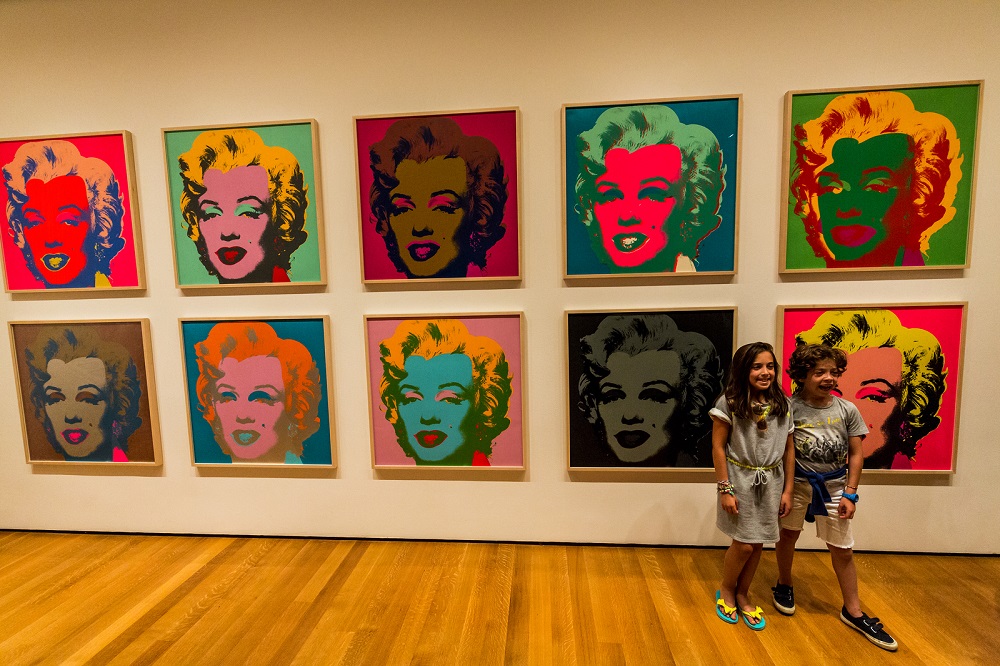
Open in DC since 2002 and relocated to L'Enfant Plaza in 2019, this one earns its place on a civics or modern history trip rather than a fun day out. The artifacts are real, the exhibits handle codebreaking and intelligence ethics head-on, and students get an assumed identity to maintain through the visit. Admission is paid. Ask about school group rates.
Visit - spymuseum.org
#5 - San Diego Zoo (San Diego, CA)
Around 12,000 animals representing roughly 650 species across 100 acres in Balboa Park, with a conservation research arm that gives older students something past the animal viewing. You will not see it all in a day, so pick two or three habitats and skip the rest. Ask about group rates and about educator planning visits.
Visit - zoo.sandiegozoo.org
#6 - Lyndon Baines Johnson Library and Museum (Austin, TX)
On the University of Texas campus, and one of the few presidential libraries that puts its subject's failures on the wall next to his achievements. Students can work with declassified documents and listen to Johnson's recorded phone calls, which turns the Civil Rights Act and Vietnam from chapters into decisions somebody made. School group admission has been free. Confirm before you book.
Visit - lbjlibrary.org
#7 - Riley's Farm (Yucaipa, CA)
Two hours east of Los Angeles, and built for school groups in a way most historical sites aren't. Costumed staff runs Revolutionary War and Civil War living history programs where students take roles rather than watch, and it doubles as a working apple orchard. Overnight options exist. Book well ahead, because the fall dates go fast.
Visit - rileysfarm.com
#8 - The Freedom Trail (Boston, MA)
Two and a half miles of red brick linking sixteen Revolutionary War sites, from Boston Common to the Bunker Hill Monument. The trail itself is free and self-guided, which makes this one of the cheapest substantial history trips in the country, but keeping thirty students together across a working city is real work. Guided school tours are worth the cost.
Visit - thefreedomtrail.org
#9 - Rock and Roll Hall of Fame (Cleveland, OH)
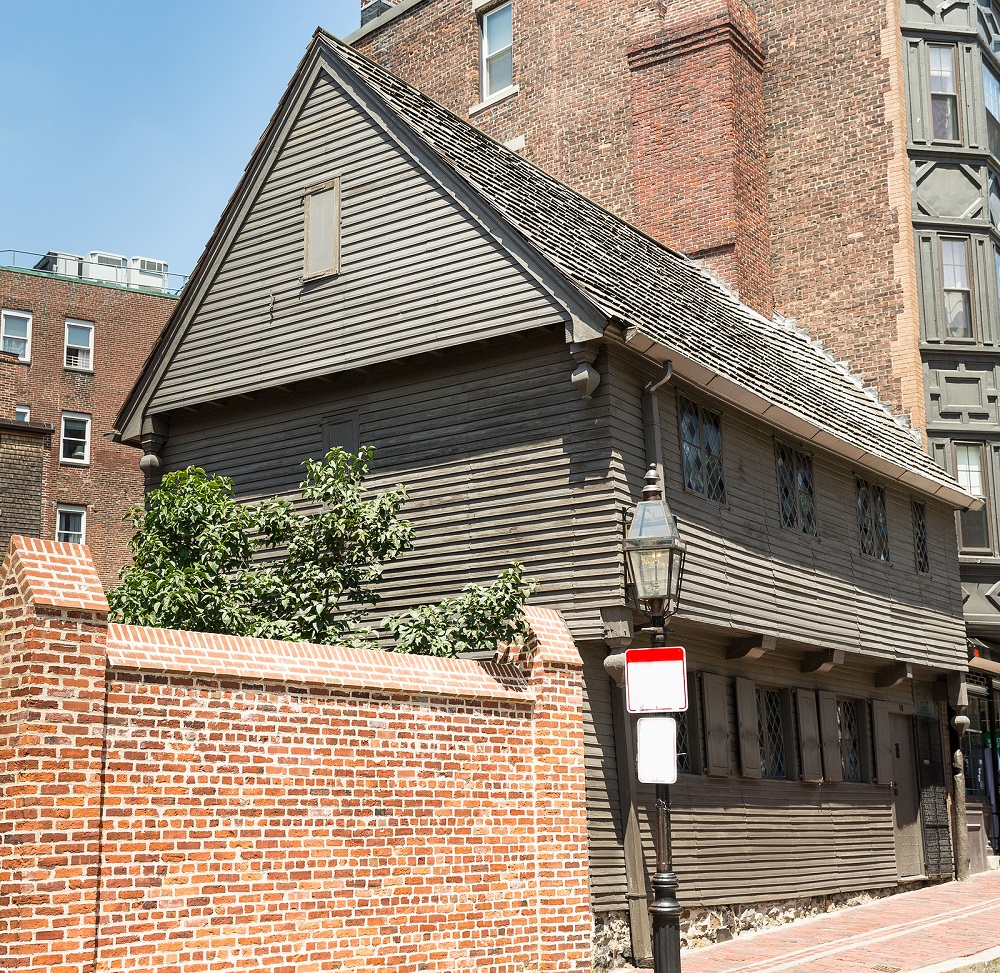
Easier to justify than you'd think. The Rockin' Schools programs tie the exhibits to social studies and language arts standards, using the music of the 1950s and 60s as a way into civil rights, migration, and protest. If you're teaching twentieth century American history, the curriculum connection is already built. Admission is paid. Ask about school rates.
Visit - rockhall.com
#10 - National Museum of African American History and Culture (Washington, DC)
The building is designed to be walked from the bottom up, starting below ground with slavery and rising through Reconstruction, Jim Crow, and the civil rights movement into the culture galleries above. That structure does the teaching for you. No general admission charge, but timed-entry passes are required, and school groups should reserve months out.
Visit - nmaahc.si.edu
#11 - Everglades National Park (South Florida)
Roughly 1.5 million acres of subtropical wetland, and the best living example of a threatened ecosystem most students will ever stand in. Ranger-led education programs can be pitched to your grade level, and the park has offered them at no cost. The restoration story gives an environmental science class a case study with active politics attached, not a settled historical one.
Visit - nps.gov
#12 - Fenway Park (Boston, MA)
Opened in 1912, which makes it the oldest ballpark in Major League Baseball, and the tour leans on that history rather than on the sport. Students get onto the field and up to the Green Monster. It's a narrow trip, best paired with something else in the city, but for a Boston-area class it's a short bus ride and an easy sell.
Visit - redsox.com/tours
#13 - Pima Air and Space Museum (Tucson, AZ)
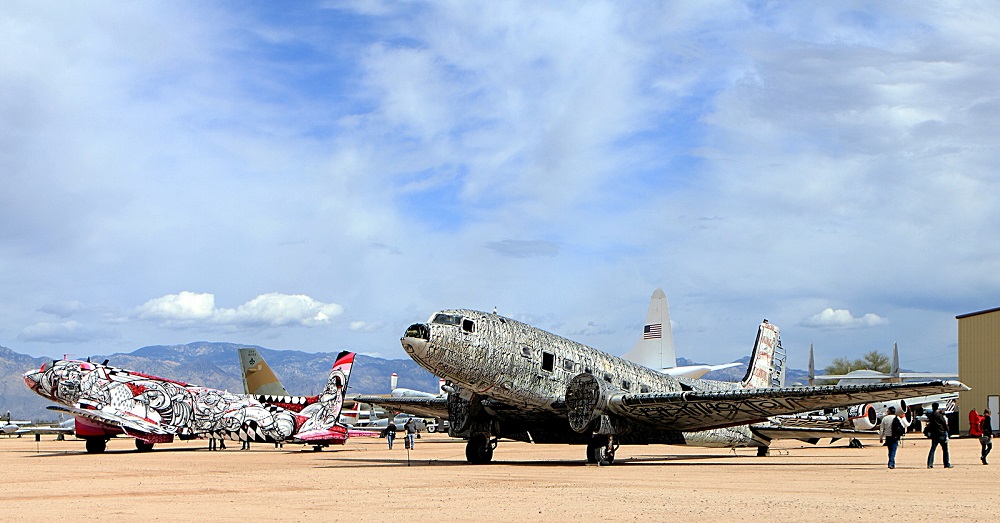
Nearly 400 aircraft displayed across 80 acres, including a B-29 Superfortress, an SR-71 Blackbird, and a 787 Dreamliner, split between six indoor hangars and the outdoor yard. The scale is the lesson for a physics or engineering unit. Half the site is packed dirt in full desert sun, so check the walking route and bring more water than you think you need.
Visit - pimaair.org
#14 - United States Holocaust Memorial Museum (Washington DC)
The museum has recommended its permanent exhibition for students in grade 11 and above, and that guidance is worth checking and following. For younger groups, Remember the Children: Daniel's Story is built for elementary and middle grades and tells the period through one child's experience. There is no general admission charge. The education staff will help you prepare students beforehand, and you should let them.
Visit - ushmm.org
#15 - Griffith Observatory (Los Angeles, CA)
No charge to enter the building, which sits on the south face of Mount Hollywood, with public telescopes and one of the better planetariums in the country. The nonprofit Friends of the Observatory runs a standards-aligned program for fifth graders that covers the solar system and Earth's motion. Planetarium shows carry a separate charge.
Visit - griffithobservatory.org
#16 - The Gentle Barn (Santa Clarita, CA / Knoxville, TN / Dittmer, MO)
An animal rescue sanctuary with three locations, running roughly two-hour school tours built around close contact with cows, pigs, horses, and turkeys. It works best for younger students and for social-emotional learning goals as much as science ones, since the animals all have rescue histories the staff uses to talk about empathy and care. Reservations required.
Visit - gentlebarn.org
#17 - The Henry Ford (Dearborn, MI)
Ford didn't invent the automobile. What he pioneered was the moving assembly line, and that distinction is exactly what makes this a good trip: it's a museum about how mass production reshaped American work and life. The Rouge Factory Tour puts students inside an operating truck plant. Greenfield Village next door adds a living history component.
Visit - thehenryford.org
#18 - Alcatraz (San Francisco, CA)
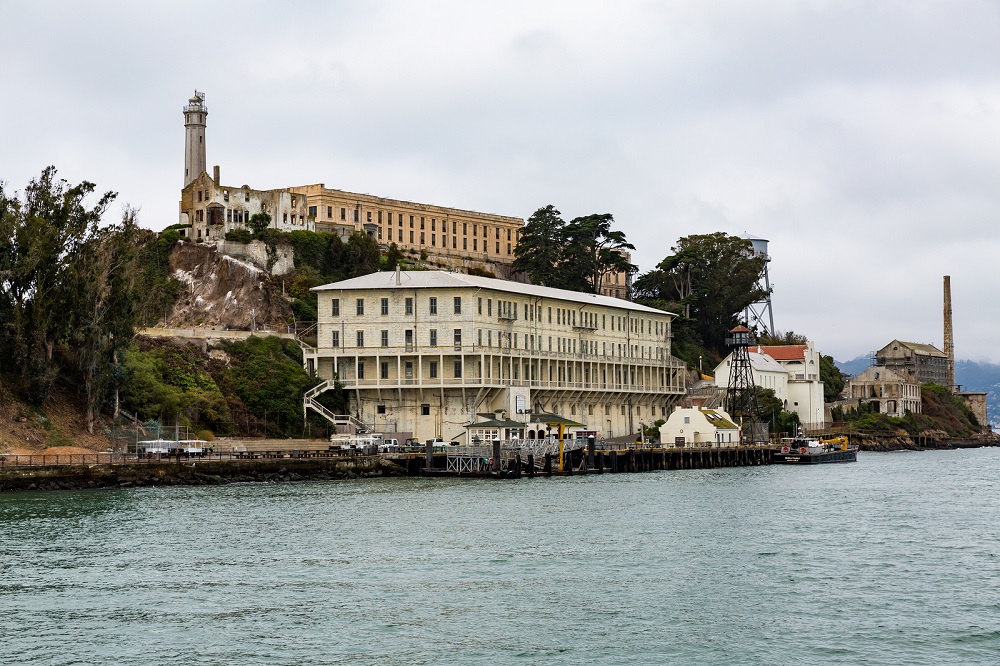
The federal penitentiary is what draws students, but the island also holds a Civil War fortification and the site of the 1969 occupation by Native American activists, which is the piece most tours skip and the one worth teaching. The National Park Service runs a school access program that has covered ferry passage for approved groups. Apply early, since slots are limited.
Visit - alcatrazislandguide.com
#19 - Gettysburg National Military Park (Gettysburg, PA)
Standing on the ground changes how students understand the three days, particularly at the wall where Pickett's Charge ended. Ranger programs and licensed battlefield guides are available, and the museum's cyclorama gives the sequence of events a shape before you walk it. Plan a full day. The park is over 6,000 acres, and the driving tour alone takes hours.
Visit - nps.gov
#20 - Cave of the Winds (Manitou Springs, CO)
A limestone cave system with guided tours that can be pitched as straight geology, covering how the cave formed and what the formations are made of. School group programs have run September through May, and the site adds above-ground attractions if you want the afternoon filled. It's a half-day trip, so pair it with something nearby.
Visit - caveofthewinds.com
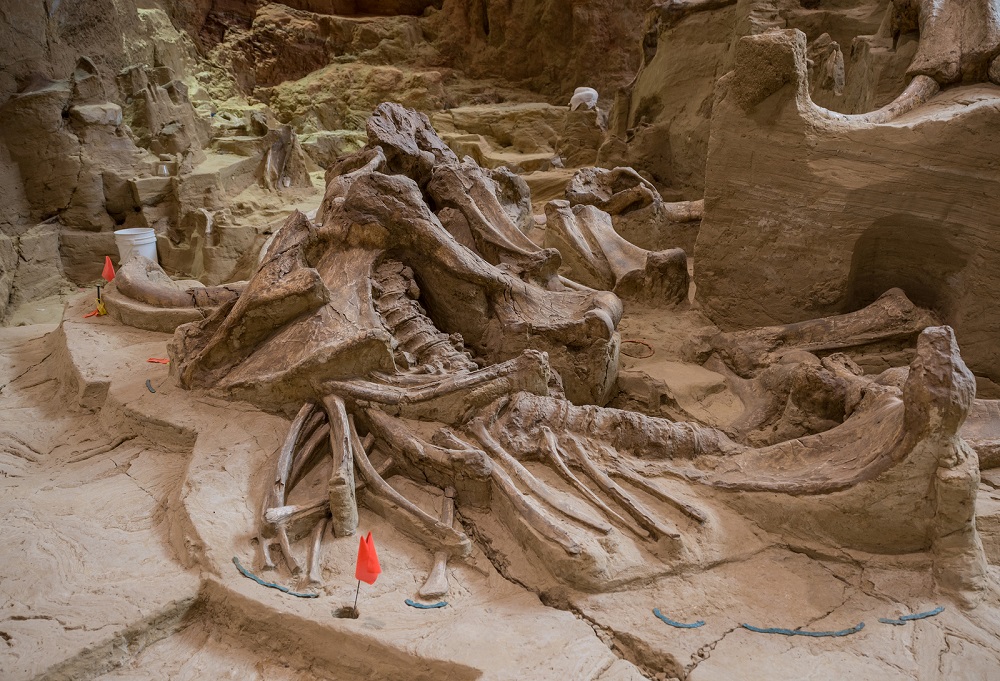
#21 - Mammoth Site of Hot Springs (Hot Springs, SD)
An active paleontological dig under a roof, built over a collapsed sinkhole where Columbian mammoths became trapped roughly 140,000 years ago. Students see bones in the ground where they were found rather than mounted in a hall, and the junior paleontologist programs let them work an excavation. The site publishes separate curricula by grade band.
Visit - mammothsite.com
#22 - Utah Shakespeare Festival (Cedar City, UT)
Hosted by Southern Utah University, and a genuine option for a high school English or theater program rather than a general field trip. Student matinees come with study guides, and the festival runs seminars and backstage workshops where students talk to the company. It's a bigger logistical and financial lift than a day trip, so start budgeting a year out.
Visit - bard.org
#23 - Alaska SeaLife Center (Seward, AK)
Alaska's only public aquarium and a working marine research and rehabilitation facility, which means students see rescued seals and seabirds alongside the exhibits. For classes too far to visit, the distance learning programs stream a naturalist into the room, which is a real option in a state where a field trip can mean a plane.
Visit - alaskasealife.org
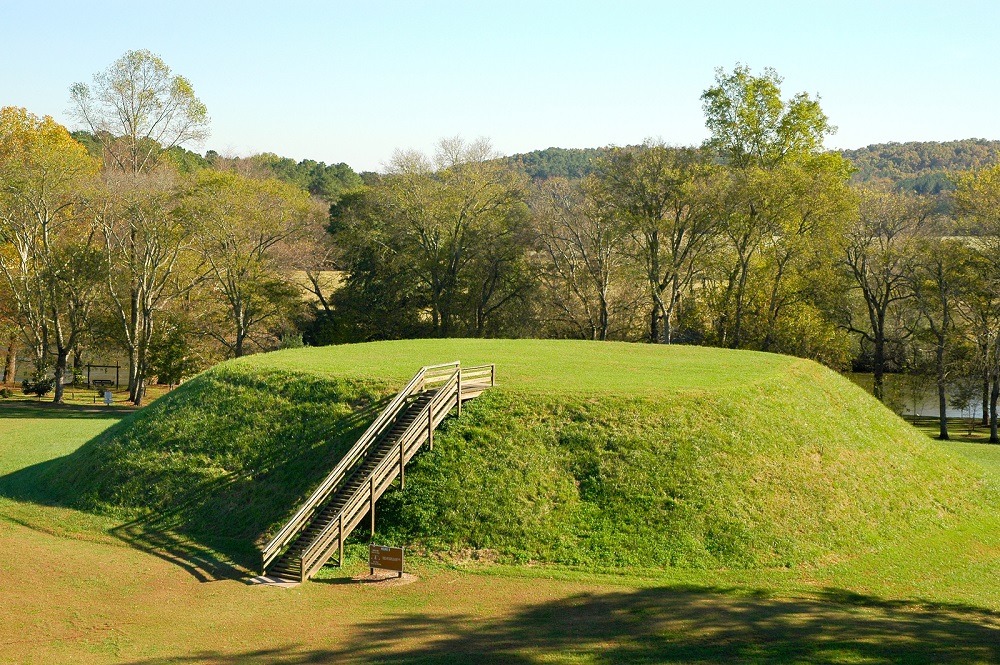
#24 - Etowah Indian Mounds (Cartersville, GA)
Six earthen mounds built by Mississippian people between roughly 1000 and 1550 CE, and one of the best preserved sites of its kind in the Southeast. The museum holds marble effigy figures and copper artifacts excavated on site. For a Georgia history unit this beats reading about pre-contact civilizations, because students climb the mound.
Visit - gastateparks.org
#25 - Audubon Louisiana Nature Center (New Orleans, LA)
Bottomland hardwood forest inside the city limits, out in New Orleans East, with boardwalk trails, an interpretive center, and a planetarium. Teachers can pick the focus, whether that's wetland ecology, wildlife viewing, or astronomy in the dome theater. Day-use group permits and discounted group planetarium rates are handled through the Audubon Nature Institute, and the gate is closed part of the week, so check hours first.
Visit - audubonnatureinstitute.org
#26 - Science Museum of Minnesota (St. Paul, MN)
The staff will help you assemble a day from parts: a hands-on gallery, an Omnitheater film, and a lab class where students run an actual procedure. The dinosaur and human body galleries carry most elementary visits. Ask about the Kitty Andersen Youth Science Center programs if you're bringing students who might want a science career.
Visit - smm.org
#27 - Chesapeake Bay Foundation (Annapolis, MD and regional)
The strongest science trip on this list, because students aren't observing, they're sampling. Foundation programs put classes on boats and in canoes to pull water quality data, dredge for oysters, and haul a trawl net. The data goes somewhere. Programs run from multiple field centers across Maryland, Virginia, and Pennsylvania.
Visit - cbf.org
#28 - Exploratorium (San Francisco, CA)
On Pier 15, and the museum that invented the hands-on science exhibit as a form. Roughly 700 exhibits, most of which break if you only look at them. Teachers can run their own agenda, and the free educator resources and Teacher Institute materials are usable back in the classroom whether or not you make the trip.
Visit - exploratorium.edu
#29 - Staten Island Children's Museum (New York, NY)
Built for PreK through grade 5, with guided programs in science, literacy, and early childhood learning that map onto what you're already doing in the room. It sits inside Snug Harbor Cultural Center, so the grounds give you outdoor space for lunch. Ask about group rates, which have been lowest for Staten Island schools.
Visit - sichildrensmuseum.org
#30 - Oroville Dam (Oroville, CA)
At 770 feet, it's the tallest dam in the United States, and the 2017 spillway failure that forced 188,000 people to evacuate makes it a case study in infrastructure risk rather than a monument to engineering. The visitor center and overlook are open year-round. Confirm tour availability directly, since access has varied since the repairs.
Visit - lakeoroville.net
#31 - Jamestown Settlement (Jamestown, VA)
The first permanent English settlement in North America, now a living history museum with recreated ships, a Powhatan village, and a fort where costumed interpreters work period trades. Pair it with Historic Jamestowne, the actual archaeological site next door, where students can watch excavation in progress. Together they make a full day.
Visit - yfmuseums.org
#32 - Cajun Country Swamp Tours (Breaux Bridge, LA)
A small-boat tour through the Atchafalaya Basin cypress swamp, which is the largest wetland in the United States. Alligators get the attention, but the guides know the hydrology and the bird species, and the boat keeps thirty students in one place, which teachers appreciate. Book directly and ask about school group pricing.
Visit - cajuncountryswamptours.com
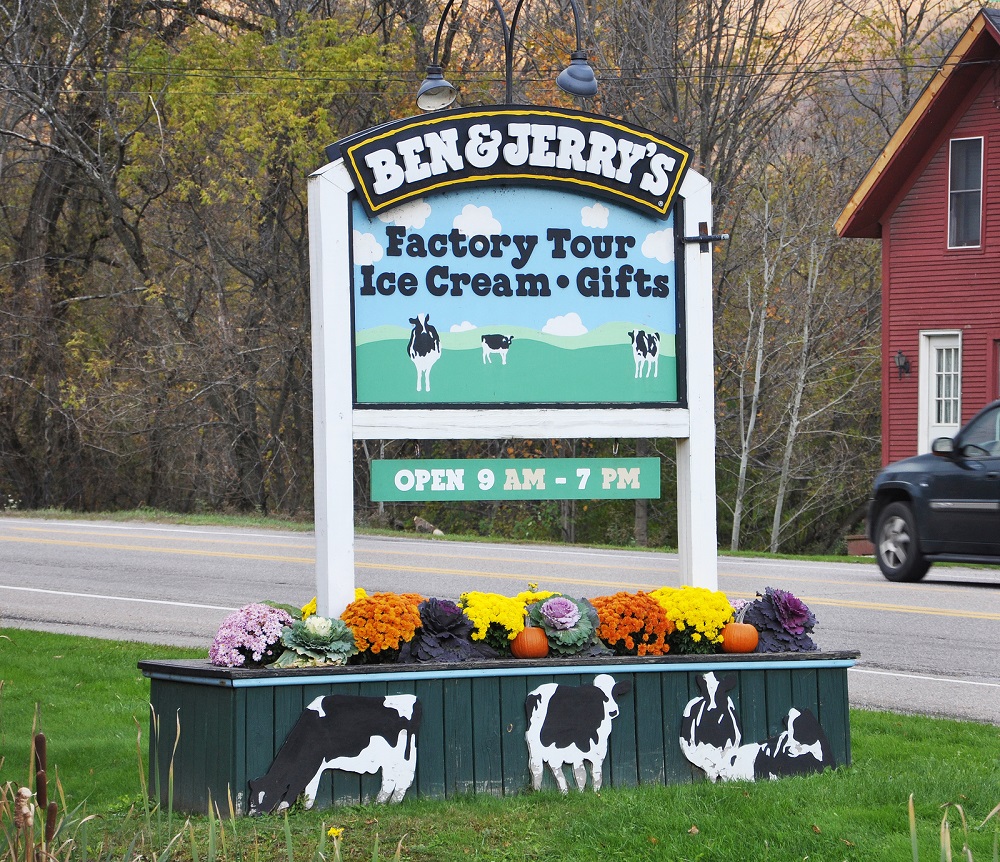
#33 - Ben and Jerry's Factory Tour (Waterbury, VT)
Thirty minutes, and the reason to book it isn't the ice cream. Students watch a production line run and hear a business built on a stated social mission explain its own supply chain, which gives an economics or business class something concrete. Short enough that it has to be paired with something else in the area.
Visit - benjerry.com
#34 - Monticello (Charlottesville, VA)
Jefferson's house, and the plantation where more than 400 enslaved people lived and worked across his lifetime. Monticello's Slavery at Monticello tour and the Mountaintop programs treat both together rather than one as a footnote, which is what makes this a serious history trip. School programs are standards-aligned, and Virginia school groups have often been admitted at no charge.
Visit - monticello.org
#35 - Mammoth Cave (Mammoth Cave, KY)
The longest known cave system in the world, with more than 400 mapped miles and more found every year. Ranger-guided tours range from an accessible half-mile walk to routes involving hundreds of stairs, so match the tour to your group before booking. The park's education programs cover karst geology and groundwater.
Visit - nps.gov
#36 - Walden Pond (Concord, MA)
Where Thoreau spent two years and wrote the book, and a short trip that pays off if students have read the essays first. A replica of his one-room house sits near the parking area, since the original was dismantled in 1849, and the cabin site itself is a marked walk around the pond. The state reservation caps visitors, so reserve.
Visit - mass.gov
#37 - Kootenai National Wildlife Refuge (Bonners Ferry, ID)
Four trails through wetland and forest habitat in the Idaho panhandle, with the Friends of Kootenai National Wildlife Refuge running guided and self-guided options. Fall and spring migration are the times to go, when the waterfowl numbers make a bird count worth doing. No entrance fee, quiet, and unstructured enough that you set the lesson.
Visit - friendsofkootenainationalwildliferefuge.org/
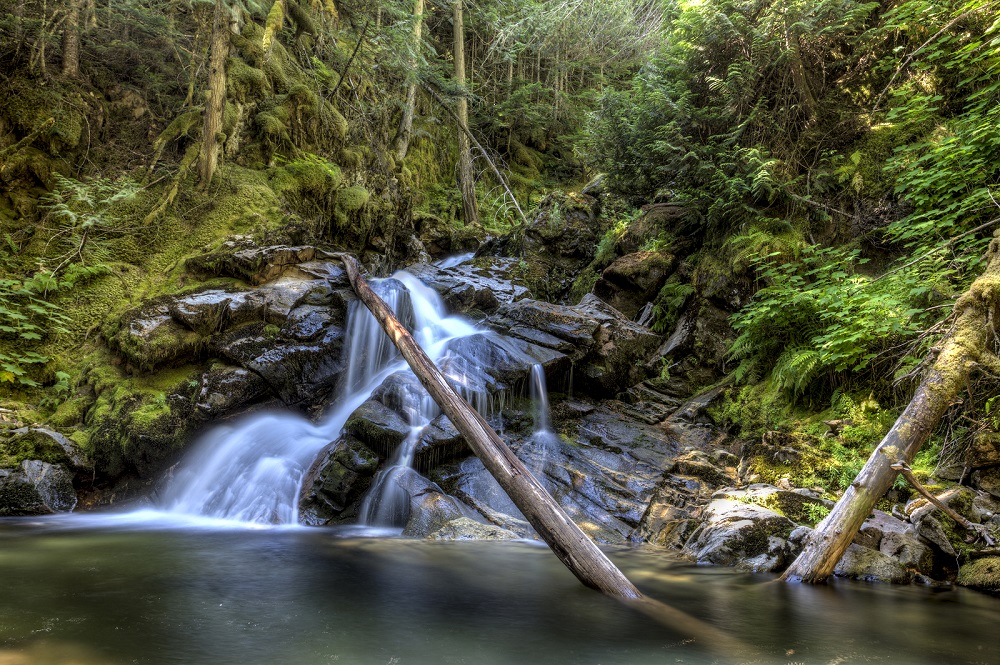
#38 - Birch Aquarium at Scripps (San Diego, CA)
The public face of the Scripps Institution of Oceanography, which means the exhibits track what researchers upstairs are actually working on, including ocean acidification and climate data. School programs have spanned kindergarten through high school, and the tide pool and seadragon exhibits carry the younger groups. Group reservations are required.
Visit - aquarium.ucsd.edu
#39 - Hawk Mountain Sanctuary (Kempton, PA)
The world's first refuge for birds of prey, founded in 1934 to stop the shooting of migrating raptors, and still a working research station. Autumn is the trip: roughly 18,000 hawks, eagles, and falcons pass the ridge between August and December, and students count them from the lookouts alongside the official counters.
Visit - hawkmountain.org
#40 - Chicago Symphony Orchestra (Chicago, IL)
The School Concerts series is written for student audiences, with programs pitched by grade band and teacher materials sent ahead so students know what they're hearing. Tickets have been heavily subsidized, and the CSO for Kids programs run under an hour, which solves the attention problem that sinks most orchestra trips.
Visit - cso.org
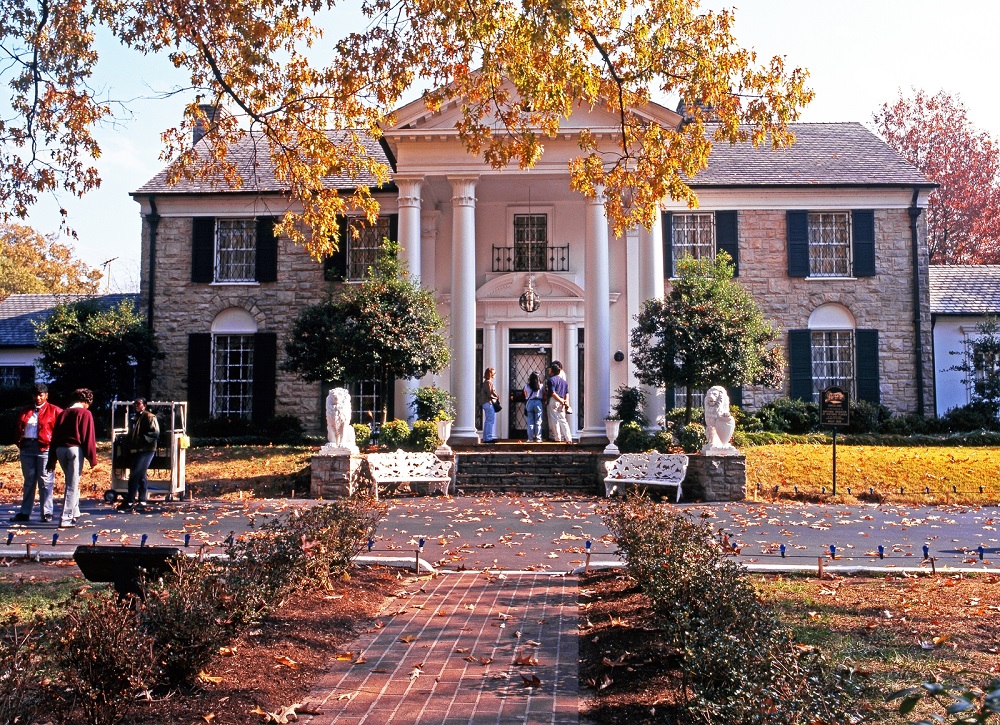
#41 - Graceland (Memphis, TN)
Elvis Presley's house, plus a museum complex that grew up around it. The education programs use his career as a route into the desegregation of American popular music and the economics of the recording industry, which is a stronger hook than the mansion tour alone. Ask about group rates. The full complex takes longer than teachers expect.
Visit - graceland.com
#42 - Seattle Fire Department Station Tour (Seattle, WA)
No cost, local, and one of the easiest trips on this list to arrange. Seattle Fire runs children's programs and station visits where students climb on the apparatus and learn home fire safety from the crew. Best for PreK through grade 3. Every district has some version of this, so if you're not in Seattle, call your own department.
Visit - seattle.gov
#43 - International Clown Hall of Fame and Research Center (Baraboo, WI)
A one-room museum dedicated to the history of clowning, run by a former Ringling and Big Apple Circus clown who tends to give the tour himself. Costumes, props, portraits, and the archive behind them. It's around the corner from Circus World Museum, so the two make a coherent half-day on American circus history.
Visit - theclownmuseum.com
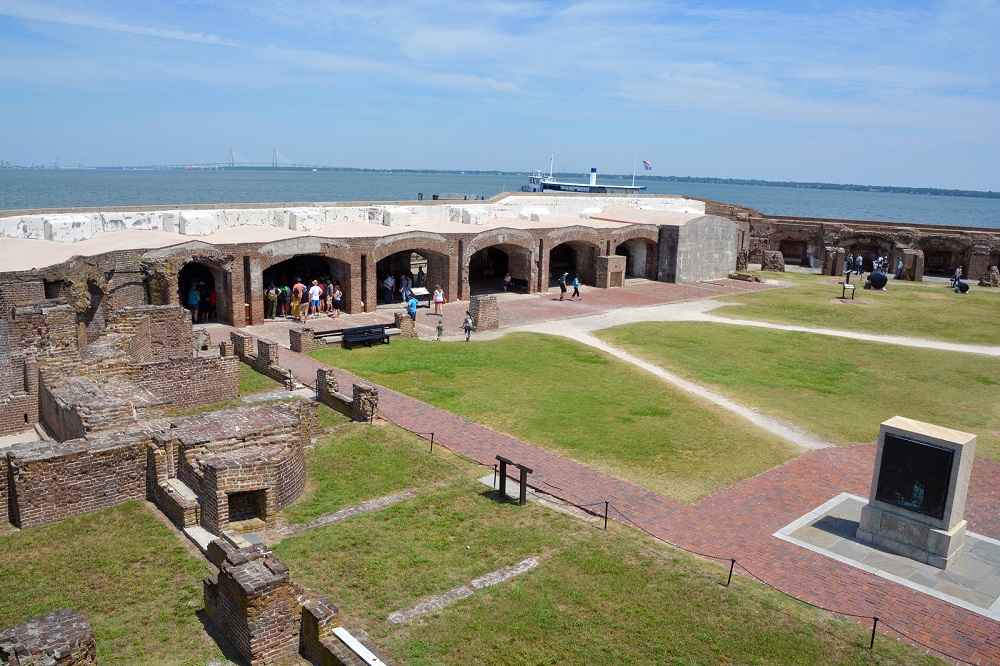
#44 - Fort Sumter National Historical Park (Charleston, SC)
Two sites, one park. Fort Sumter sits in the harbor and requires a ferry, which students enjoy and which locks the schedule down hard. Fort Moultrie on Sullivan's Island is drive-up and covers 171 years of coastal defense plus the Sullivan's Island slave trade arrival site. Neither charges an entrance fee, though the Fort Sumter ferry does. Smaller groups work better.
Visit - nps.gov
#45 - The Mystery Spot (Santa Cruz, CA)
A gravity hill illusion in a redwood grove, and better than it sounds as a physics or critical thinking exercise. The tour presents the effect as unexplained, which is the point: ask students to work out how a tilted reference frame fools the eye, and you've got a lesson on perception and evidence. Forty-five minutes, so pair it.
Visit - mysteryspot.com
#46 - Cheyenne Frontier Days Old West Museum (Cheyenne, WY)
A collection built around the rodeo and the settlement of the high plains, with carriages, saddles, and photographs of the people who worked the land. Wyoming teachers get a state history trip with local relevance. The museum runs curated tours for school groups, and Wyoming students have been admitted at no charge.
Visit - cfdrodeo.com
#47 - Alameda Park Zoo (Alamogordo, NM)
Founded in 1898, which makes it the oldest zoo in the Southwest, and small enough that a class can see all of it without anybody melting down. Around 90 species across seven acres, with a strong bird collection and staff used to school groups. Admission is low. For southern New Mexico schools, this is the low-friction option.
Visit - ci.alamogordo.nm.us
#48 - North Mississippi Fish Hatchery Visitor Education Center (Enid, MS)
A working hatchery next to Enid Lake, with a visitor center built around Mississippi's aquatic ecosystems and a 25,000-gallon aquarium. Students see fish culture from egg to stocking, which makes the life cycle unit tangible, and the conservation programming ties into water quality. No admission charge, and the staff schedule school groups readily.
Visit - mdwfp.com
#49 - Kokua Hawaii Foundation Farm Field Trips (Haleʻiwa, HI)
The foundation's ʻĀINA In Schools program connects Hawaii classrooms to working farms across the islands, where students plant, harvest, and eat what they pick. The framing is food systems and local agriculture rather than general nature study. Programs have been free to participating schools and run on the school year calendar.
Visit - kokuahawaiifoundation.org
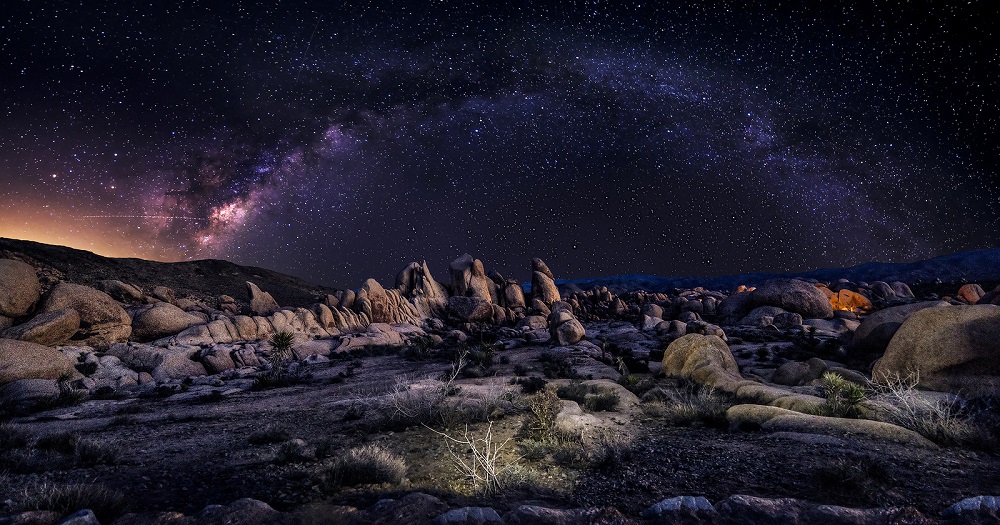
#50 - Joshua Tree National Park (Twentynine Palms, CA)
Two desert ecosystems meeting in one park, which is the whole lesson: the Mojave and the Colorado deserts support different plant communities, and students can see the transition. Ranger programs have been offered at no cost. Water, shade planning, and a hard cap on hiking distance are non-negotiable. For older students, the dark sky makes an overnight worth arranging.
Visit - nps.gov
Frequently Asked Questions
How far ahead should I book a field trip?
Six to ten weeks is the working minimum for most destinations, and free or subsidized programs at high-demand sites go much earlier than that. Timed-entry museums in Washington DC and the National Park Service school access programs often release school slots several months out and fill them within days. Book the bus at the same time you request the date, not after.
What chaperone ratio do I need?
Requirements can come from your school, your district, your state, the venue, or the specific program, and more than one may apply at once. One adult per ten students is a common figure for elementary groups and one per fifteen for secondary, but treat those as starting points rather than the rule. Confirm each requirement that applies and plan to satisfy all of them, because being short an adult can cost you the visit.
How do I pay for a trip when there's no budget?
Start with the lower-cost end of this list, which is wider than teachers expect. Many National Park Service sites offer free or reduced-cost educational programs, the Smithsonian museums carry no general admission charge, and a number of state and municipal facilities keep school group costs low. None of that is universal, so confirm it with the site before you build a budget around it. Then check whether the venue offers a Title I waiver, whether your PTO or district education foundation runs trip grants, and whether transportation rather than admission is the actual cost.
Do virtual field trips work as a substitute?
They work for access, not for presence. A live-streamed naturalist from the Alaska SeaLife Center reaches a class that could never fly to Seward, and several destinations on this list run distance-learning programs worth using. What a stream can't give you is the physical scale of standing in a cave or on a battlefield, which is usually the reason to go.
What if nothing on this list is near me?
Look at what's within twenty minutes instead of what's famous. A water treatment plant, a courthouse, a working farm, a print shop, a university lab, a fire station: these run tours, cost nothing or close to it, and connect to curriculum as directly as any museum. The entries above are a template for what to ask for, not a closed set.
- Start with the standard, not the destination - a trip that matches a unit you're already teaching earns its day out of the classroom, and one that doesn't won't.
- Grade band is the first filter - the Holocaust Museum recommends grade 11 and up for its main exhibition, while a children's museum tops out around grade 5, and ignoring those ranges wastes the trip.
- Low cost is more available than teachers assume - many National Park Service sites offer free or reduced-cost educational programs and the Smithsonian museums carry no general admission charge, and transportation is often the larger expense.
- Confirm every chaperone requirement that applies - your school, district, state, and the venue may each set one, and you need to satisfy all of them.
- Book six to ten weeks out at minimum - subsidized programs at high-demand sites release months ahead and fill in days.
Planning trips like these is one part of the job that teacher preparation programs rarely cover well, and the practical side of classroom teaching varies a lot between them. The sponsored programs listed on this page include options for career changers and for teachers adding an endorsement.
- The Benefits Of Learning a New Language and Being Bilingual - October 30, 2017
- 50 Field Trip Ideas for Teachers Across the U.S. - October 26, 2017
- Parental Tips and Advice to Get an IEP Approved for Your Child - October 4, 2017