

Creative Teacher

How to Implement a Check-In, Check-Out (CICO) Behavior System
By: Jon Konen | Sep 26, 2022
Check-in, check-out (CICO) is an evidence-based Tier 2 behavior intervention that pairs a student with a trusted adult for a quick meeting at the start and end of each day. It can improve behavior for many students when it's appropriately matched to their needs and implemented with fidelity.
If you had only one behavior strategy to use in your classroom, what would it be?
This question is ...
How to Keep Students Engaged: 11 Classroom Techniques
By: Amy Konen | Oct 23, 2017

How to keep students engaged often comes down to structure: build a response step into the lesson so more students have to think and then show that thinking. Techniques like Think-Pair-Share, Quick-Writes and Chalkboard Splash need almost no prep and can give you a read on the whole room, not ...
Fidget Tools for the Classroom: 10 That Work Better Than a Spinner
By: Amy Konen | Sep 8, 2017

Fidget tools for the classroom may be more useful when selected based on an individual student's needs and response. Tangles, stress balls, putty, kinetic sand, and rocking chairs each give a different kind of input, and many are quieter and less visually demanding than a spinner. Teach the rules first. Now ...
Teachers Pay Teachers ELA Resources: 10 Stores Worth Knowing
By: Kylie Hall | May 22, 2017

Teachers Pay Teachers ELA resources are easier to judge store by store than search by search. Grade band is the first thing to check, because a store that's strong on kindergarten phonics won't help a high school English teacher. This roundup covers ten ELA stores across both ends of that ...
The Teacher Team Rubric: How Would You Score Your Team?
By: Jon Konen | Nov 19, 2016

A teacher team rubric scores how well a grade-level or subject team actually collaborates, from Level 0 (no teaming at all) to Level 4 (weekly meetings built into the schedule, with shared goals and real accountability). Score your team honestly against each level, then use the gap to set one ...
Positive Phone Calls Home: 8 Steps to Start a Praise Program
By: Jon Konen | Oct 15, 2016

Positive phone calls home can be organized as a schoolwide system rather than left to individual good intentions. One principal's approach: ask every teacher for praise comments each quarter, have one person make the calls, and track the count. Eight steps show how it worked in his building. Do you spend ...
5 Components to a Great Weekly Lesson Plan
By: Jon Konen | Oct 7, 2016

One practical framework for the components of a lesson plan uses five parts: state standards, a clear objective, materials, assessment, and how it fits the week's overall structure. Madeline Hunter's well-known model lists seven steps, but this five-part version covers the same ground with less paperwork. What are the five most ...
9 Alternatives to Taking Away Recess as Punishment
By: Jon Konen | Sep 28, 2016
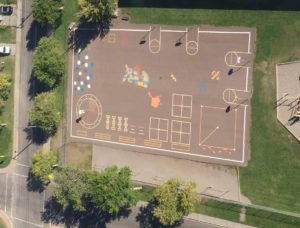
Alternatives to taking away recess include playground zones, adult-led "practice recess," short, timed check-ins, and consequences administered in the classroom rather than outside. In one teacher's experience, these address behavior directly rather than removing physical activity altogether, though what's allowed varies by state and district policies. Withholding recess as a punishment ...
Teaching Patience in the Classroom: 5 Strategies That Work
By: Jon Konen | Aug 8, 2016

Teachers build patience in students the same way they build any skill: model it, name it, and give students repeated chances to practice. Wait time, unhurried listening, and positioning yourself alongside rather than over a student, where that suits the student, all teach patience by demonstration rather than instruction. Can you ...
Buddy Classroom Activities: 19 Ideas for Cross-Grade Pairs
By: Jon Konen | Jun 8, 2016

Buddy classroom activities pair an older class with a younger one for regular sessions built around a shared task: reading, art, science, or school routines. The 19 ideas below run from no-prep partner reading to school-wide fundraising. Most work best when the same two classes meet on a fixed schedule. Back ...
7 De-Escalation Phrases for Students: The “Double Scoop”
By: Jon Konen | Jun 2, 2016

De-escalation phrases for students work best when they name the emotion and offer a choice instead of a command. Seven short lines cover most classroom flare-ups: acknowledge what you see, ask for more, offer a break, give two acceptable options, or change the subject entirely. The behavior usually isn't about ...