
9 Alternatives to Taking Away Recess as Punishment

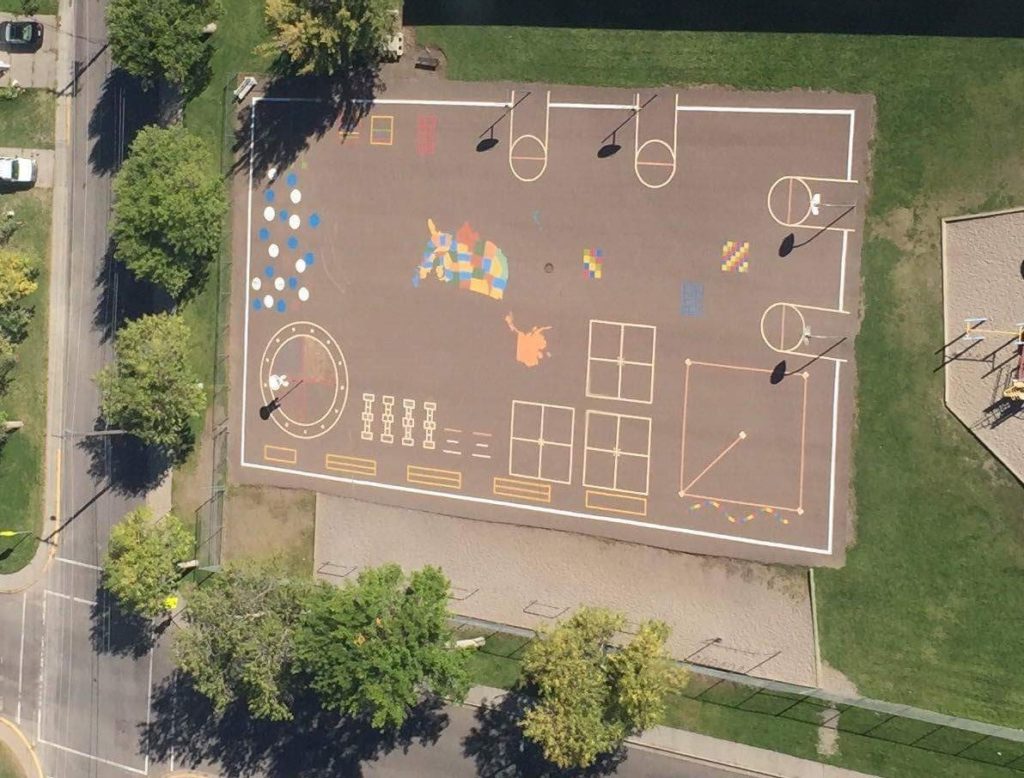
Alternatives to taking away recess include playground zones, adult-led "practice recess," short, timed check-ins, and consequences administered in the classroom rather than outside. In one teacher's experience, these address behavior directly rather than removing physical activity altogether, though what's allowed varies by state and district policies.


Withholding recess as a punishment has come under scrutiny, and for good reason. The American Academy of Pediatrics' 2026 policy statement holds that recess supports children's cognitive, social-emotional, and physical development and shouldn't be withheld for punitive or academic reasons. Recess schedules vary widely among US elementary schools (the AAP notes that duration and timing differ by age, grade, district, and building), but the case for protecting it holds regardless of the schedule a given school runs. Taking recess away as a punishment works against the very behavior it's meant to fix.
Here are nine ways to hold students accountable without entirely pulling their recess. Before using any of them, check your state law and district policy: several states, including Washington, limit or prohibit withholding recess as discipline, and some specifically bar using physical activity itself as a punishment.
Why We Rarely Take Away All of a Student's Recess
In my school, when we do pull recess, it's because a student is "not ready," meaning they haven't shown they can be safe and kind with others yet. Once they can do that consistently, the support comes off. We use four levels of support to describe where a student is:
- Level 1: Student transitions in the classroom and around the school safely and independently.
- Level 2: Student transitions no more than six feet from an adult in charge (teacher, aide, principal, etc.).
- Level 3: Student transitions "next to" or "hand-in-hand" with a staff member in all places on campus.
- Level 4: Student does not transition independently at all, usually reserved for in-school suspension.
Talking to Parents About Recess Support
Parents are often the biggest pushback when recess is on the table. I always let them know their child will be back outside as soon as they're safe and kind, and I tell them exactly what their child will be doing inside with me in the meantime. In recent years, that's meant social stories, drawings, written plans, and one-on-one re-teaching sessions.
Students choose whether to write or draw about how they'll be safe or kind outside. We talk through it together, both sign the document, and we date it so we can reference it if the behavior comes up again. This isn't writing as punishment. It's a teaching tool, built into a recess contract the student had a hand in creating.
9 Alternatives to Taking Away Recess
1. Walking Ticket
We use a small blue ticket, called a "walking ticket," when a student gets in trouble. The ticket states how many minutes the student will spend walking a painted line around the playground instead of playing. The recess teacher times the walk, initials the ticket at the end, and hands it back to the classroom teacher so the classroom teacher can track behavior over time. Those tickets end up being useful data for parent conversations later. Check your district policy before using this one: some states treat assigning physical activity itself as a consequence differently from withholding recess outright, so what's allowed here depends on where you teach.
2. Zones
When two students keep clashing, and mediation hasn't worked, we assign zones by day. Our playground has both grass and blacktop, so one student gets the blacktop on even days, and the other gets the grass, alternating. Once they can treat each other with respect, the zones come off.
3. Student Supporters
Our Student Council members are scheduled to go outside each week to teach younger students playground games. They're strong role models, and the relationships they build connect our primary and intermediate students. They're not there for discipline, but they'll flag problems to the recess teacher if they see them. Pairing a student who struggles on the playground with an older student running games is often exactly the distraction that gets them through recess safely.
4. All-Time Quarterback
Rough play among older students tends to escalate fast, from flags to two-hand touch to full tackling within one recess. I've tried banning football, sportsmanship contracts, and written rules, and sometimes none of it works. The fix that finally stuck came from a colleague, Principal Lance Boyd of Sunnyside Elementary: be the "all-time quarterback" for both teams. An adult playing quarterback can teach the rules, make sure everyone gets the ball, and model good sportsmanship in real time. It works for other sports and activities too.
5. 22, 44, 1:11
Instead of pulling a whole recess, try oddly specific short losses: 22 seconds, 44 seconds, or 1 minute and 11 seconds. Most teams and groupings form in the first two minutes of recess, so even a short loss matters. In 22 seconds, a student can state what they did, name what they're working on, and describe what success looks like. In 44 seconds, add a short list of what you'll see when they return. At 1:11, hand them a stopwatch and let them use the time to reflect before heading out. Save a full recess loss for when a student may actually be unsafe or unkind outside.
6. Practice Recess With an Adult
In my experience, this has been the option that works best, reserved for students who struggle the most, often already on a behavior plan or RtI plan. When the bell rings, the student comes to my office. We talk through the unwanted behavior, review replacement strategies, then go outside and practice, sometimes for two minutes, sometimes for eleven. Over a week or so, and usually within one to three recesses, I pull back, checking in once a day without telling the student which recess I'll show up for. That follow-up seems to help the change stick, and it's worth celebrating when it does.
7. Serve Consequences Before or After Recess
Classroom behavior doesn't have to cost recess. If a consequence matches the behavior when it happens instead of getting delayed until recess, you often don't need to touch recess at all. A student who blurts out constantly can serve a short timeout in the classroom right when it happens. One approach I like: have the student own the behavior and call home immediately, in their own words, to ask a parent for support and propose a plan. Students tend to get more out of that conversation than a delayed call from me ever could, and it moves toward a solution rather than dwelling on the problem.
8. Check-In, Check-Out
This strategy involves the student, the recess teacher, and the classroom teacher. When the recess bell rings, the student waits until the room clears, then has a 30-60 second conversation with the teacher about the behavior that needs to change and the replacement strategy to use, repeating it back in their own words before heading out. The recess teacher watches and supports, then reports back. If there's nothing to report and the student is honest about how it went, everyone wins. Some schools track this on a rubric card that gets scanned to parents, and for more intense cases, a principal can run the check-in instead of the classroom teacher.
9. Service Work on the Playground
Giving back to the school can double as a consequence. Instead of practice recess, some students choose to sweep hallways, clean lunch tables, sweep rocks off the playground, pick up litter, or support the custodial staff. Framed as giving back to the school, not as busywork, it tends to land better than a straight loss of recess.
Recess matters for teachers too. I know colleagues who get more done in fifteen minutes than I manage all day, catching up with other adults or making a phone call they couldn't otherwise fit in. None of that happens if a student is serving recess in the room. Revisit the value of fresh air and movement for your students, and you'll likely find they come back happier, healthier, and more ready to learn.
Frequently Asked Questions
What can teachers do instead of taking away recess?
Options include short, timed consequences such as a walking ticket or a 22-second reset; assigned playground zones for students who aren't getting along; one-on-one practice recess with an adult; and check-in/check-out systems that address the behavior directly rather than removing physical activity.
Why shouldn't teachers take away recess as punishment?
Recess supports the cognitive, social, and physical development students need to manage their behavior in the first place. Removing it as a delayed consequence for unrelated classroom behavior may weaken the connection between the behavior and the consequence, and it takes away the activity that helps them regulate. Rules on this vary by state and district, so check your local policy too.
What is a walking ticket?
A walking ticket is a small note a teacher gives a student who's gotten in trouble, stating how many minutes they'll spend walking a marked line on the playground instead of playing. The recess teacher times it, initials it, and returns it so the classroom teacher can track the behavior over time.
How does Check-In, Check-Out work at recess?
When the recess bell rings, the student stays behind briefly for a short conversation with the teacher about the behavior and the replacement strategy, repeats it back in their own words, then goes outside where the recess teacher watches and reports back on how it went.
Should a student ever lose all of their recess?
Save a full recess loss for situations where a student may actually be unsafe or unkind to others outside. For most classroom behavior, a shorter, more targeted response teaches the replacement skill without cutting off the activity a student needs most.
- Short, targeted consequences can address behavior without a full loss of recess - options like the 22/44/1:11 method work in seconds or minutes, not a whole recess period, though what's allowed varies by state and district policy.
- Match the consequence to the behavior - handling an issue when it happens, rather than saving it for recess, connects the consequence to the behavior and feels less like a delayed, unrelated punishment.
- Practice recess with an adult has worked best for repeat behavior, in this teacher's experience - one-on-one coaching outside, tapered over a week or so, for students on a behavior plan.
- Recess loss should be reserved for safety issues - save a full loss of recess for when a student may be unsafe or unkind to others, not routine classroom disruptions.
Classroom management strategies like these are easier to build when backed by the right training. The teaching programs listed here include options focused on classroom behavior management and student support, with formats that fit a full-time teaching schedule.
As a 5th grade teacher, in 2010 Jon won the Presidential Award for Elementary Math and Science Teaching (PAEMST). As a principal, his school won the 2012 Blue Ribbon Award. In 2018, he won the National Distinguished Principal Award (NDP). In 2019 he won the National No Kid Hungry Breakfast Hero Award.
Jon is the author of three guides published on teacher.org: An Educator's Guide to Combat Bullying & Bully Prevention; Teacher Evaluation: A Transition Guide to Exemplary Performance; and You are the Wild Card: Infusing Fun Back into Curriculum. He has authored a children's picture book that was released January 2019 titled Benjamin’s Visit to Principal Reads Office…again! (available at www.archwaypublishing.com)
- Learning How to Say No and Set Boundaries with Parents - November 21, 2022
- How to Implement a Check-In, Check-Out (CICO) Behavior System - September 26, 2022
- Teacher Core Values: 7 Strategies for Living Your Code - August 15, 2022