
8 Ways Teachers Can Build a Positive School Culture


Teacher leaders build a positive school culture by owning what they can control: consistent behavior systems such as PBIS, deliberate staff and student recognition, shared expectations, and cross-grade connections such as buddy classrooms. None of these actions require a principal's initiative. A teacher who starts small in their own classroom or hallway can shift the culture from the ground up.


A school's culture shows up in the hallway before it shows up in any mission statement. Listen to how students, teachers, and parents talk about the building, and you'll know within minutes whether trust and respect are actually present, or just posted on a bulletin board.
Culture usually starts with the principal. A strong principal builds it deliberately, through the small daily choices that model respect and set the tone for staff and students alike. But not every principal leads that way, and waiting on one who won't is a strategy.
When a principal isn't building culture, teacher leaders can. Talking with administration is worth doing, but a teacher doesn't need permission to start with the students already in front of them. Here are eight ways teacher leaders can build a positive school culture on their own.
1 - Positive Behavioral Interventions and Supports
Positive Behavioral Interventions and Supports (PBIS) is a good place to start when shifting the focus from punitive consequences to positive behavior. You can learn more about the framework at pbis.org.
PBIS guides teachers, most effectively working in leadership teams, through the assessment, development, and implementation of multi-tiered practices and systems of support for students. Tier 1 (Universal Supports) reaches most students. Tier 2 (Targeted) reaches some. Tier 3 (Intensive) reaches a few students who need the most support.
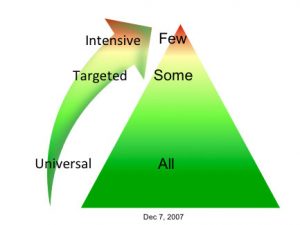
Teachers can implement evidence-based PBIS practices in their own classrooms, subject to school or district policies and, where required, administrator approval. Formal schoolwide PBIS is a different undertaking: it requires coordinated systems, shared data, and a leadership team, not just one teacher's classroom routines. A teacher leader can still build momentum by starting small and sharing what works with a grade-level team, then with cross-grade-level teachers, to make the case for coordinated schoolwide adoption later.
Starting PBIS from the ground up makes the results more convincing to other teachers who want the same outcomes in their own rooms. Here are six places to start as a teacher leader:
- Create a common language for behavior. Define what counts as positive and negative behavior in terms that every student in the building understands the same way.
- Create, teach, and model common expectations. This includes a gradual release of responsibility as students become independent, and specific strategies for students dealing with trauma or anxiety.
- Teach the difference between rules and procedures. Rules are a small set of guidelines that shape the classroom's culture: when a student breaks one, it calls for reteaching, a consequence, or a restorative conversation. Procedures exist to make students more productive and effective: when one isn't followed, that's a sign the class needs more practice, not punishment.
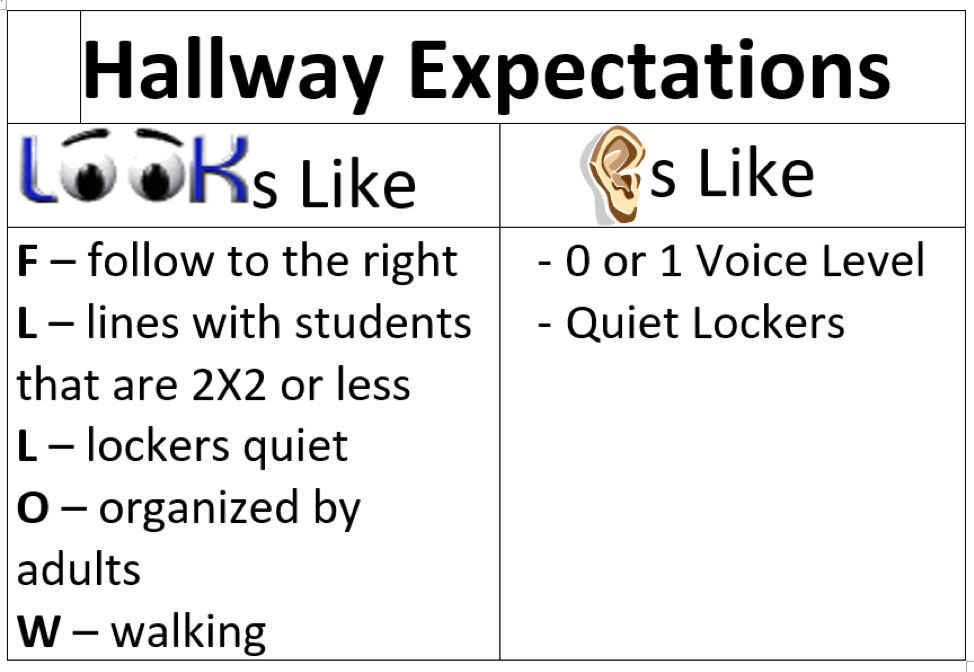
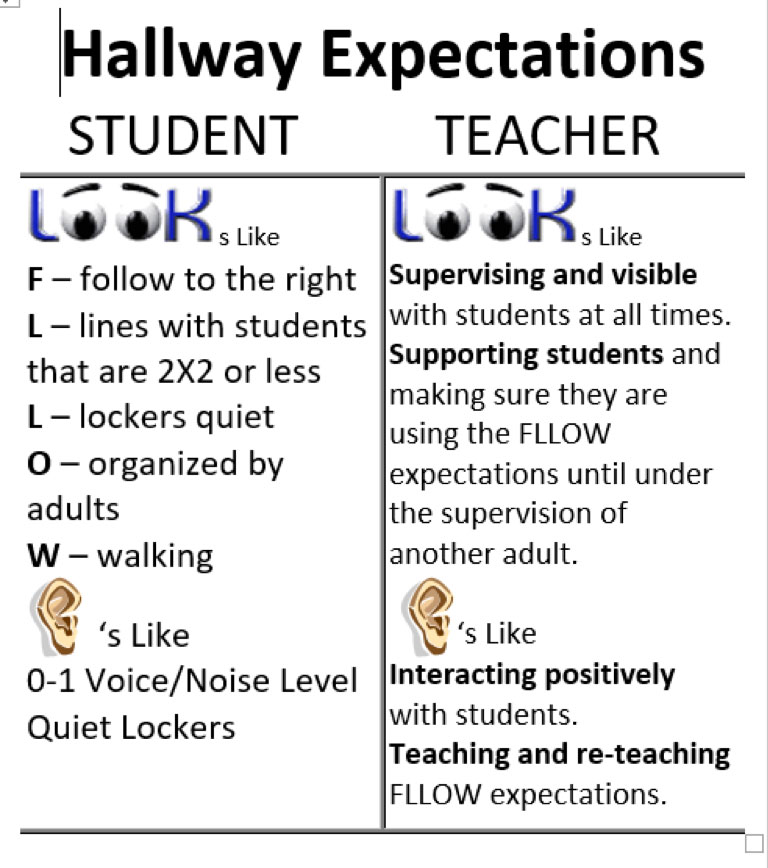
- Create and teach T-Charts or I-Charts. T-Charts teach students what a procedure or common area "looks like" and "sounds like." I-Charts add a second column for what independence looks like for students alongside what support looks like for adults, similar to the I-Charts used in the Daily 5 reading structure.
- Build a positive recognition system. Structure it three ways: adults recognizing students, students recognizing students, and students recognizing adults.
- Offer positive rewards. Intrinsic rewards help students work to better themselves for their own sake. Extrinsic rewards give students an outside incentive to do the same.
2 - Staff Recognition
Teacher leaders can shift a school's culture by recognizing the work their colleagues are already doing. The same principle that applies to student behavior applies here: specific, consistent acknowledgment of positive contributions supports a stronger culture over time. Recognition works best when it's specific and earned. Manufactured, celebrate-everything positivity risks becoming exactly what Strategies for Keeping Toxic Positivity Out of School Culture warns against: praise that papers over real problems instead of addressing them.
If staff recognition isn't a strength of the current administration, a teacher leader can start a recognition program of their own, subject to school or district policies and, where required, administrator approval. Here are five easy places to begin:
- Write positive notes and read them at staff meetings, anonymously or not, for teachers who cover a colleague's class, who show up for a coworker during an emergency or a family loss, or who go above and beyond on a duty or in a small act of kindness.
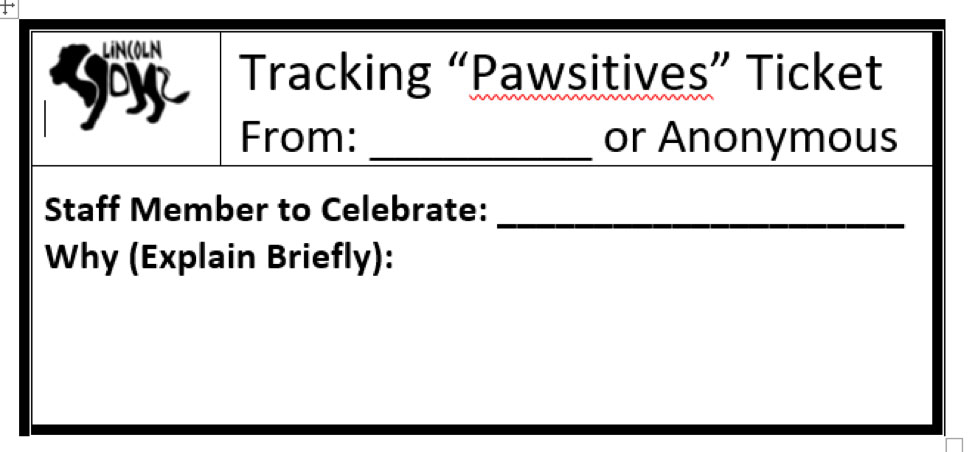
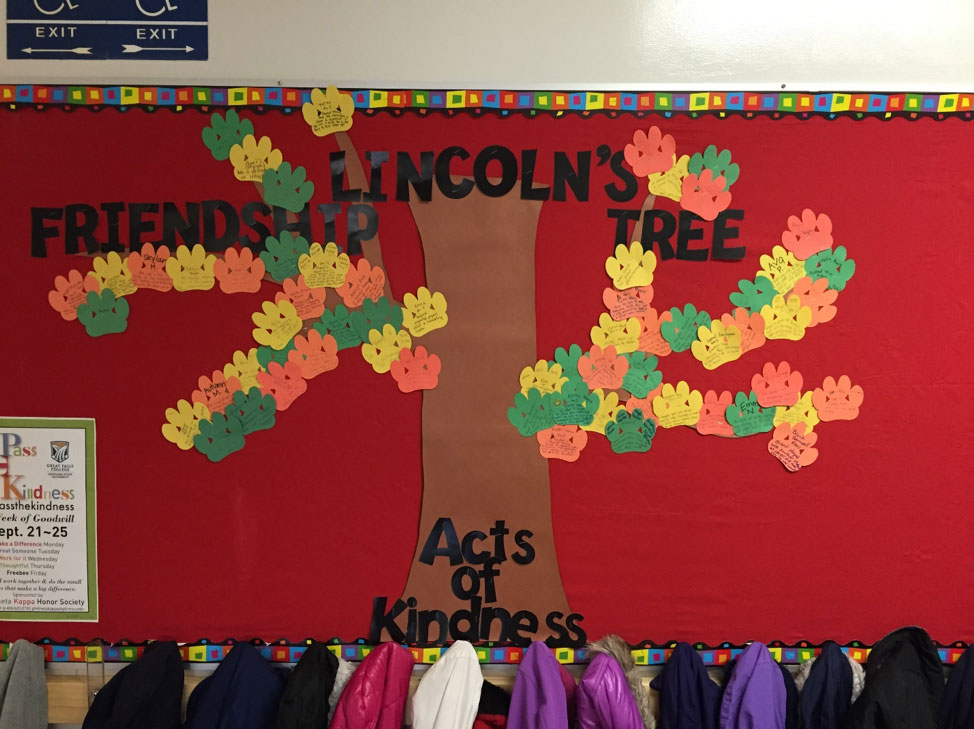
- Build a positive tree in the staff lounge: positive notes become the leaves, and staff watch the tree grow over the year.
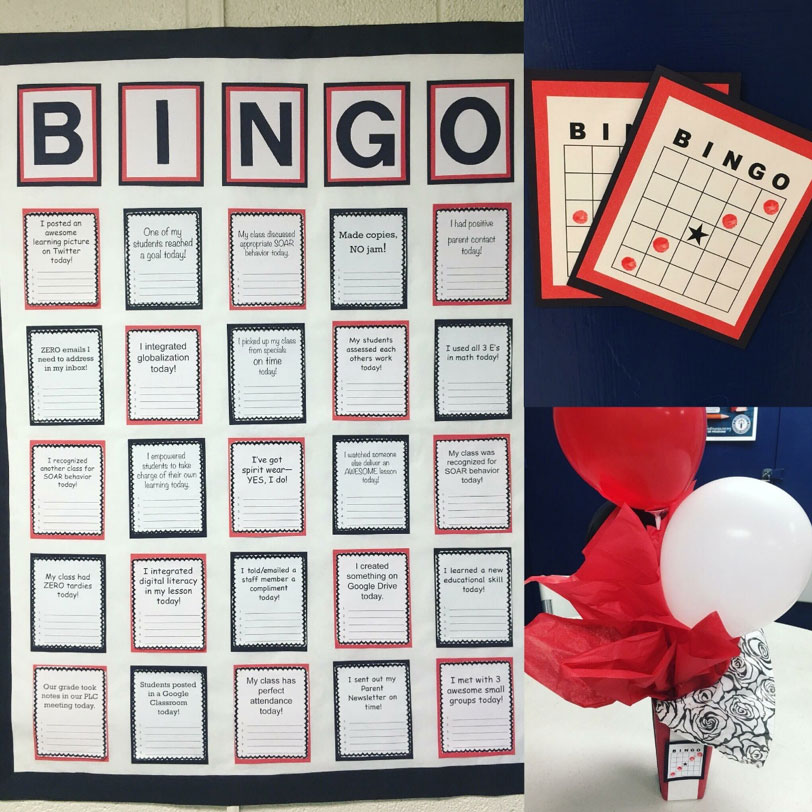
- Create a staff bingo board with positive culture practices: when a staff member completes one, the square gets marked, and the group earns a small prize for each bingo.
- Pat on the back: at a staff meeting, tape a piece of paper to each staff member's back and have colleagues write a positive note on it.
- Start a version of the FISH! Philosophy, inspired by Seattle's Pike Place Fish Market. Recognize staff members who exhibit it and let them wear a small token, like beads, as a marker.
- Present a weekly trophy for an exemplary quality: curriculum and instruction, student advocacy, collegial support, leadership. Each winner passes the trophy to someone else the following week, keeping the recognition going.
3 - Student Recognition
Recognizing students' positive behavior builds a strong classroom and school culture, just as staff recognition does. Consistent acknowledgment and reinforcement of expected behavior are well supported as ways to increase it: the more a teacher leader specifically recognizes positive behavior, the more likely students are to repeat it.
Here are five quick strategies for recognizing positive student behavior in the classroom:
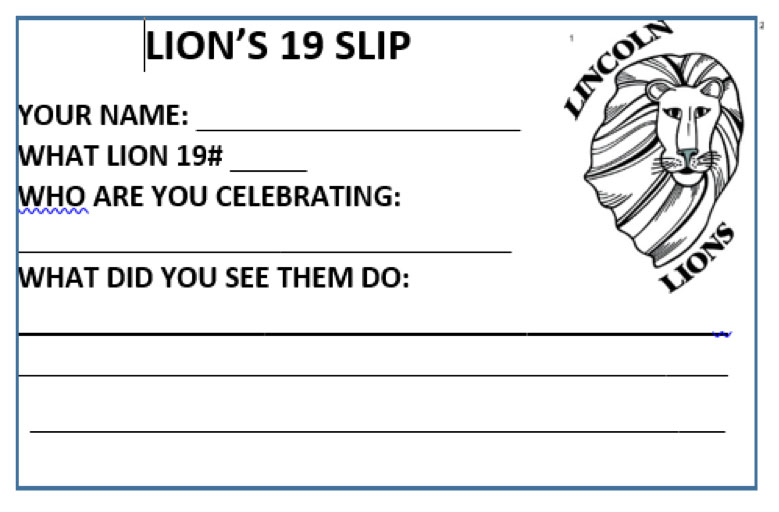
- Recognition slips. Students or teachers hand out slips recognizing correct behavior at the start, middle, or end of the day.
- Token economy. Students earn a classroom currency they can redeem for extrinsic rewards.
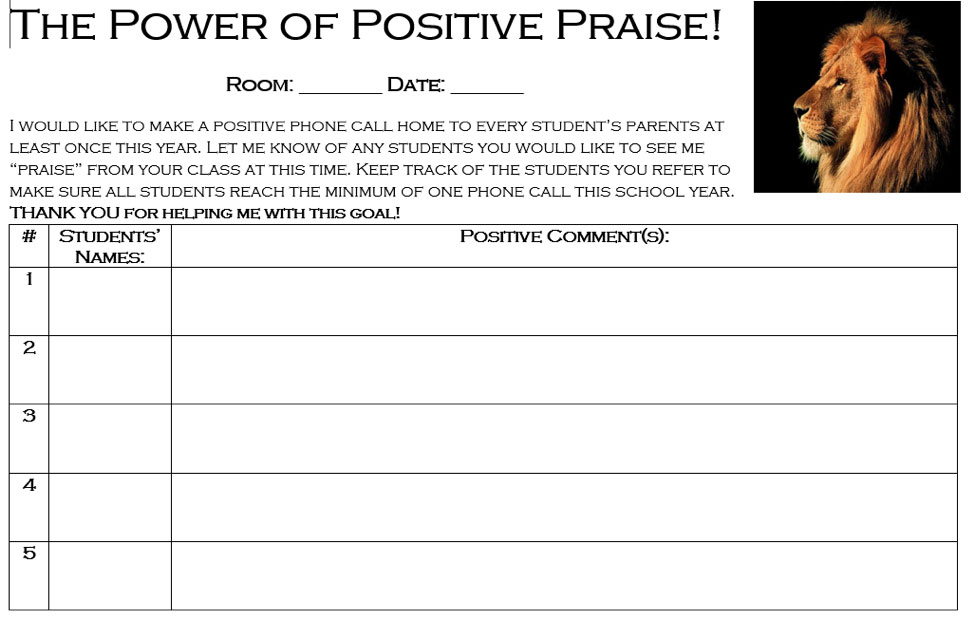
- Positive phone call home. A teacher or student calls a parent to share good news, not a problem.
- Mystery motivator. Students earn a surprise prize after reaching a set number of recognized positive behaviors.
- 100s chart. Students earn a spot on a 100s chart for a random act of kindness or for following the rules. Everyone in the completed row of ten, up-down or across, earns a small prize.
4 - Developing Common Language
Teacher leaders can create, teach, and promote a common language around positive and negative behavior. A shared vocabulary helps students and parents understand expectations and what happens when they aren't met. Clearly establishing, modeling, and teaching expectations can promote more consistent understanding of expectations and appropriate behavior.
T-Charts and I-Charts are a good place to start. Anchor charts built to teach, review, and re-teach common expectations give a class a more predictable outcome once the language is in place.
A T-Chart has two columns: what a procedure "looks like" and what it "sounds like." Title it after the setting, "Hallways," for example. Here's a sample T-Chart for hallway behavior:
An I-Chart adds a second layer: student expectations for independence (looks like and sounds like), and teacher expectations (looks like and sounds like). Here's a sample I-Chart for the same hallway setting:
Once a teacher leader has success with these charts, they can bring the approach to other teachers and build a common language across the school. Administrator support helps it spread faster, but a teacher leader doesn't need it to get started.
5 - Providing PD Opportunities
If a principal isn't strong on professional development, a teacher leader can fill that gap. Whether it's a formal PD offering or an impromptu meeting, sharing knowledge tends to catch on: once other teachers see results, they want in.
Here are five ways teacher leaders can build professional development that supports a positive school culture:
- Workshops. The most common PD format for decades. Often called "sit and get," but still useful when the content is right.
- Book clubs. A shared text builds philosophy, common language, and ideas teachers can act on together.
- PLCs. With administrator approval, teacher leaders can use professional learning community time to build and reinforce school culture.
- Social media groups. A Twitter/X chat, Facebook group, or Voxer group can generate ideas, track progress, and discuss results as a culture shifts.
- Edcamps. This grassroots PD model has teachers show up on a given day and break into interest-based groups, without a traditional presenter-led format. Participants help determine and lead the sessions, the opposite of "sit and get": teachers choose the topics they actually want to learn.
6 - Outside-of-School Gatherings
One way to build staff culture without a strong principal is building friendships among staff. Find colleagues who share your interest in education and meet outside the school setting. It supports everyone's wellbeing. When teachers only interact around student progress and behavior, they miss the rest of who their colleagues are, and the ability to support each other when things get hard. A school culture built on "make this a place people want to work and learn" starts with teachers, even without a principal driving it.
7 - Developing a Personal Learning Network (PLN)
As teachers grow, they need people outside their own building who cover their specific strengths and weaknesses. A personal learning network (PLN), a group of educators who fill that role, has become a common tool for professional growth.
Look for people who are just as invested in a topic as you are. Use three quick rules to decide who belongs in your PLN:
- They fill a specific need over time, whether that need is narrow or broad.
- You communicate with them at a workable frequency: daily, weekly, or monthly, depending on the need.
- The relationship is positive and reciprocal. There's no reason to keep someone in your PLN who consistently brings you down.
A strong PLN is one more way to build culture in your school as a teacher leader, especially when your principal isn't the one driving it.
8 - Buddy Classrooms and Cross-Grade-Level Teams
Building a community of learners should be a priority for students and staff alike. Teacher leaders can strengthen school culture by pairing classrooms across grade levels. "Buddy classrooms" build connections between older and younger students, and between the teachers who lead them. How often the classes meet, and for how long, shapes how strong that connection becomes. The goal is simple: older students become role models for younger ones.
A teacher leader starts by checking their school or district policy and getting administrator approval where required before trying buddy classrooms. Once other grade levels see the culture shift, more teachers tend to want in. For 19 ways to structure the pairing, see The Power of Buddy Classrooms: 19 Ideas.

Frequently Asked Questions
Can a teacher improve school culture without the principal's support?
Yes. A teacher leader can start with what's directly in their control: their own classroom's behavior systems, recognition practices, and shared expectations, without waiting on administration. Schoolwide change moves faster with a principal's backing, but it doesn't require it to begin.
What is PBIS and how does it support school culture?
PBIS, or Positive Behavioral Interventions and Supports, is a tiered framework for teaching and reinforcing positive behavior rather than relying primarily on punitive consequences. Most students respond to universal, schoolwide supports, while smaller groups need targeted or intensive support. Teachers can implement evidence-based PBIS practices in their own classrooms, though formal schoolwide PBIS requires coordinated school-level implementation.
How does a teacher start building positive culture in just their own classroom?
Start with one system at a time: a common language for behavior, a recognition routine, or a T-Chart defining what a procedure looks and sounds like. Once it's working consistently in one classroom, it's easier to bring it to a grade-level team and, eventually, the wider school.
What's the difference between a rule and a procedure in a positive behavior system?
Rules are a small set of core guidelines that shape a classroom's culture: breaking one calls for reteaching, a consequence, or a restorative conversation. Procedures exist to make students more productive and effective day to day: when a procedure breaks down, that signals a need for more practice, not punishment.
How long does it take to change a school's culture?
There's no fixed timeline, and culture built by one teacher leader in a single classroom moves at a different pace than a schoolwide shift led by administration. Sustained implementation and consistency matter more than speed: recognition systems, shared language, and cross-grade relationships tend to build gradually rather than produce an overnight change.
- Start in your own classroom - PBIS and other positive behavior systems can begin at the classroom level before scaling to a grade-level team or the whole school.
- Recognition compounds - consistently naming what colleagues and students do well builds culture faster than occasional or one-time gestures.
- Shared language reduces friction - T-Charts and I-Charts that define what a procedure "looks like" and "sounds like" cut down on repeated correction.
- Relationships provide continuity - PLNs, buddy classrooms, and outside-of-school connections can help a school's culture weather leadership changes.
Building culture like this is easier with the right training behind you. The programs listed here include options built for working teachers who want to add leadership, instructional coaching, or behavior-intervention skills without stepping out of the classroom.
As a 5th grade teacher, in 2010 Jon won the Presidential Award for Elementary Math and Science Teaching (PAEMST). As a principal, his school won the 2012 Blue Ribbon Award. In 2018, he won the National Distinguished Principal Award (NDP). In 2019 he won the National No Kid Hungry Breakfast Hero Award.
Jon is the author of three guides published on teacher.org: An Educator's Guide to Combat Bullying & Bully Prevention; Teacher Evaluation: A Transition Guide to Exemplary Performance; and You are the Wild Card: Infusing Fun Back into Curriculum. He has authored a children's picture book that was released January 2019 titled Benjamin’s Visit to Principal Reads Office…again! (available at www.archwaypublishing.com)
- Learning How to Say No and Set Boundaries with Parents - November 21, 2022
- How to Implement a Check-In, Check-Out (CICO) Behavior System - September 26, 2022
- Teacher Core Values: 7 Strategies for Living Your Code - August 15, 2022