

Blog

How to Keep Kids Off Their Phones While Homeschooling
By: Scott Wilson | Sep 2, 2026
The most reliable way to keep kids off their phones while homeschooling is to agree on a spot where the phone goes during schoolwork, out of reach and out of sight. Set a clear return point, keep the work surface phone-free, and switch off notifications before the session starts.
Teachers have been working on this problem for a long time. Now it's your kitchen table.
Eyes down ...
Free Professional Development for Teachers: How Sweet It Is
By: Mary McLaughlin | Jul 7, 2016

Free professional development for teachers is easier to find than most of us assume. State-run platforms, university centers, and educator communities all offer courses at no cost. Many issue certificates of completion, though whether those hours count toward licensure depends on your state and district rules. Verify before you enroll. I ...
Buddy Classroom Activities: 19 Ideas for Cross-Grade Pairs
By: Jon Konen | Jun 8, 2016

Buddy classroom activities pair an older class with a younger one for regular sessions built around a shared task: reading, art, science, or school routines. The 19 ideas below run from no-prep partner reading to school-wide fundraising. Most work best when the same two classes meet on a fixed schedule. Back ...
The Teacher Martyr Complex: Saint, Sinner, or Just a Person With a Job
By: Mary Hardin | Jun 6, 2016

The teacher martyr complex is the expectation that good teachers sacrifice their health, money, and personal lives for their students. Hardin argues that framing teachers as selfless martyrs can make inadequate pay and benefits easier to justify because teaching is treated as a calling rather than skilled paid work. Yesterday a ...
7 De-Escalation Phrases for Students: The “Double Scoop”
By: Jon Konen | Jun 2, 2016

De-escalation phrases for students work best when they name the emotion and offer a choice instead of a command. Seven short lines cover most classroom flare-ups: acknowledge what you see, ask for more, offer a break, give two acceptable options, or change the subject entirely. The behavior usually isn't about ...
Can a Kindness Campaign Truly Change Your School?
By: Jon Konen | May 30, 2016
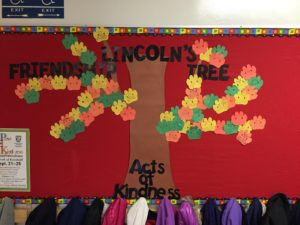
Yes, a school kindness campaign can measurably change culture: office referrals fell from 418 to 192 in one year after we shifted our daily focus from discipline referrals to public recognition of kindness, a drop of roughly 54%, without making new rules or consequences the focus of the campaign. After years ...
What College Readiness Really Means for Students
By: Lisa Nielsen | May 26, 2016

College readiness means a student has both the academic skills and the self-direction to handle coursework, deadlines, and decisions without someone managing it for them. It's more than GPA and test scores. The gap can show up in motivation, learning strategies, independence, and academic knowledge. I spent years building a career ...
The Passion for Knowledge: Teaching Curiosity in an Age of Instant Answers
By: Cailyn Dougherty | May 25, 2016

A passion for knowledge is the drive to keep asking questions after the answer arrives. It can fade when classrooms leave little room for curiosity and inquiry, and it returns when students are given real reasons to be curious. Teachers rebuild it by modeling questions out loud, not only by ...