
Inclusive Classroom Resources for Teachers
The best inclusive classroom resources come from organizations that publish free, classroom-ready materials: CAST for Universal Design for Learning, the PROGRESS Center for students with disabilities, and groups like Colorín Colorado and the Zinn Education Project for specific student populations. Start with a framework, then add materials.


Most lists of inclusive classroom resources hand you thirty links and no way to choose between them. This one is organized by the students you're trying to reach, and every entry says what you actually get: a lesson plan, a professional development workshop, a booklist, or a policy guide.
Before the list, one thing worth settling. Inclusion is not a set of accommodations you bolt on after the lesson is planned. Universal Design for Learning is one useful framework for planning accessible instruction, and it's a reasonable place to start before you go hunting for materials. Not every organization below works from it. History, identity, religion, and culturally responsive teaching groups come at inclusion from different directions.
Creating an inclusive classroom isn't something that a teacher can just intuit on their own. Rather, it requires a great deal of training and education to account for the tremendous variety of perspectives that a classroom can contain.
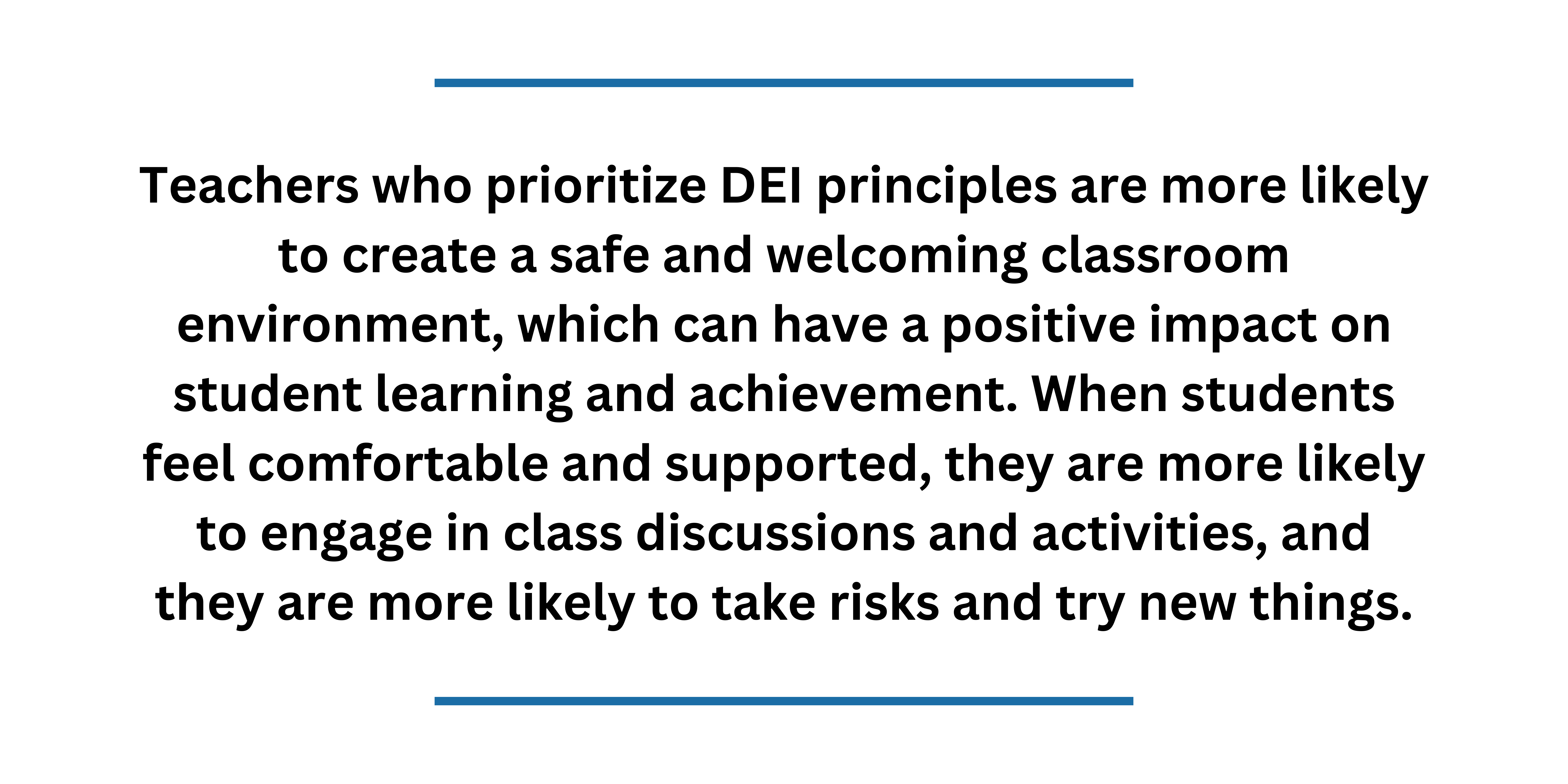
Start With a Framework, Not a Pile of Links
Universal Design for Learning is a planning framework, not a program. Instead of designing a lesson for an imagined average student and then retrofitting it, UDL asks you to build in multiple ways of presenting material, multiple ways for students to show what they know, and multiple entry points for engagement from the start. CAST, the nonprofit that developed it, publishes the UDL Guidelines for free. Version 3.0 is the current release.
The framework itself, free and browsable online. Each principle breaks down into concrete considerations you can check a lesson plan against. CAST also sells books through a separate catalog, but the Guidelines cost nothing.
National Association for Multicultural Education: Multicultural Learning
Teacher case studies and a plainspoken FAQ that takes on the questions people are often reluctant to ask out loud, including "Can I be a multicultural educator in math?" and whether any of this is relevant in a school with little demographic diversity. The material dates to the mid-2010s and hasn't been refreshed, but the case studies still hold up.
The table below is a shortcut if you want one place to start rather than thirty.
| If you're focused on | Start here | What you get |
|---|---|---|
| Lesson planning for all learners | CAST UDL Guidelines | Free planning framework |
| Students with disabilities | PROGRESS Center | IEP tip sheets, instruction briefs |
| Multilingual learners | Colorín Colorado | Strategy library, family materials |
| History and social studies | Zinn Education Project | Downloadable lessons by reading level |
| School climate and bullying | Welcoming Schools | Lesson plans, discussion guides |
| Professional development | Asian American Education Project | Free workshops, standards alignments |
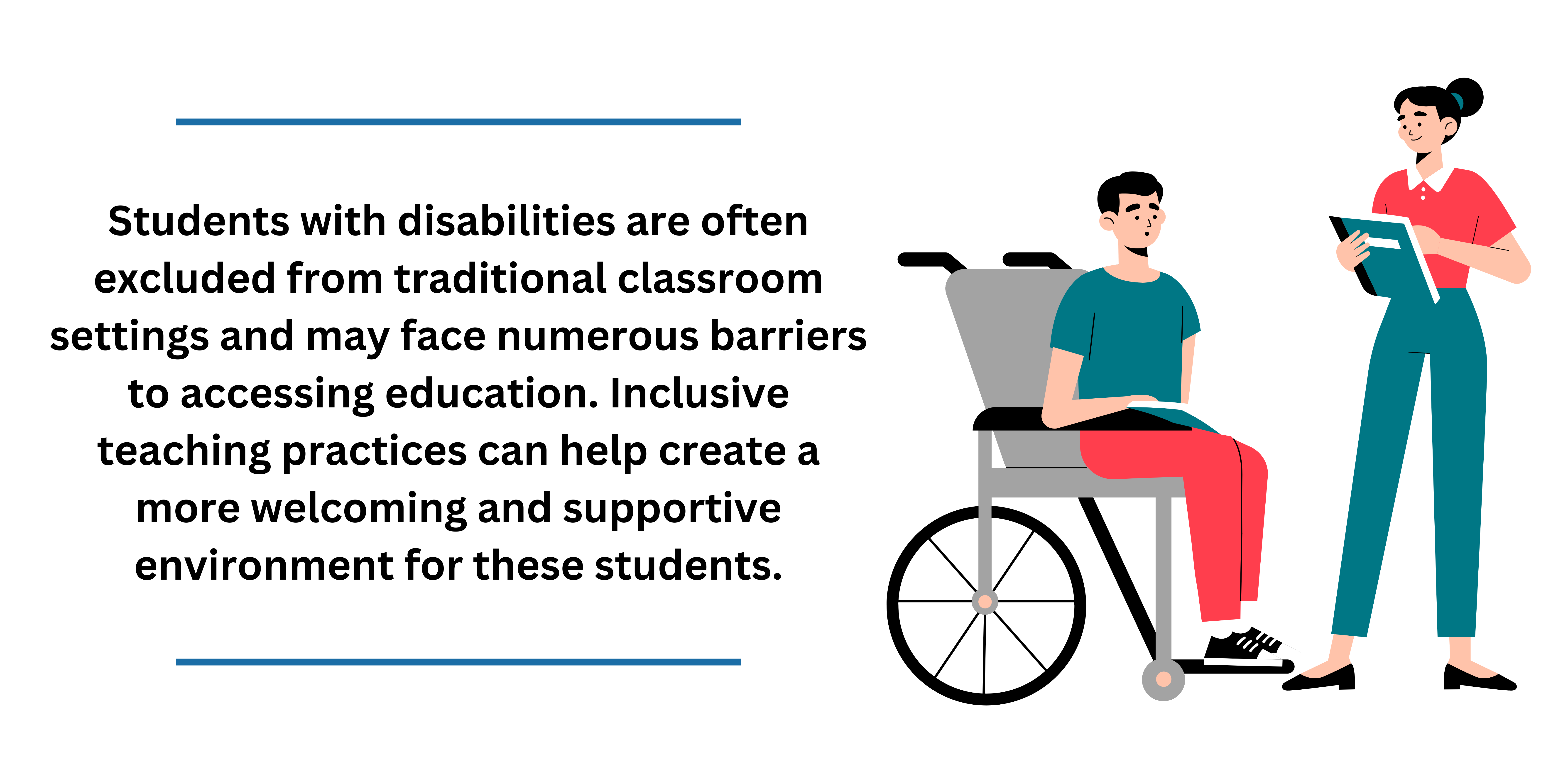
Students With Disabilities
CAST, formerly the Center for Applied Special Technology, developed Universal Design for Learning and remains its steward. Beyond the free Guidelines, the site carries whitepapers, digital tools, and PreK-12 professional development. Worth knowing: the books catalog is a store, so head to the Guidelines or the Tips and Articles section if you want free material.
Funded by the U.S. Department of Education's Office of Special Education Programs and housed at the American Institutes for Research. This is the most directly useful resource here if you write or implement IEPs. Free IEP tip sheets, disability-specific tip sheets, briefs on evidence-based instructional practices, self-paced courses, and a section on student belonging. The framing comes out of the Supreme Court's 2017 Endrew F. v. Douglas County School District decision, which clarified that an IEP must be reasonably calculated to enable a child to make progress appropriate in light of that child's circumstances.
Council for Exceptional Children
The largest professional association for special educators. The free Resource Library is the part to bookmark. CEC also maintains the High-Leverage Practices for special education with the CEEDAR Center, and publishes the professional preparation standards that many teacher preparation programs are reviewed against.
Based at Vanderbilt's Peabody College and funded through an OSEP cooperative agreement. The Resource Locator holds free modules and case study units covering accommodations, behavior, autism, and transition. Teachers can earn free completion certificates for finishing modules. Whether those hours count toward license renewal or required professional development is a separate question, so check what your state licensing agency or employer accepts before relying on them.
Built for learning and thinking differences: ADHD, dyslexia, dyscalculia, language and written expression disorders. The classroom resources section is free, and the explainers on IEPs versus 504 plans and the thirteen disability categories under IDEA are the clearest short versions available anywhere.
Women
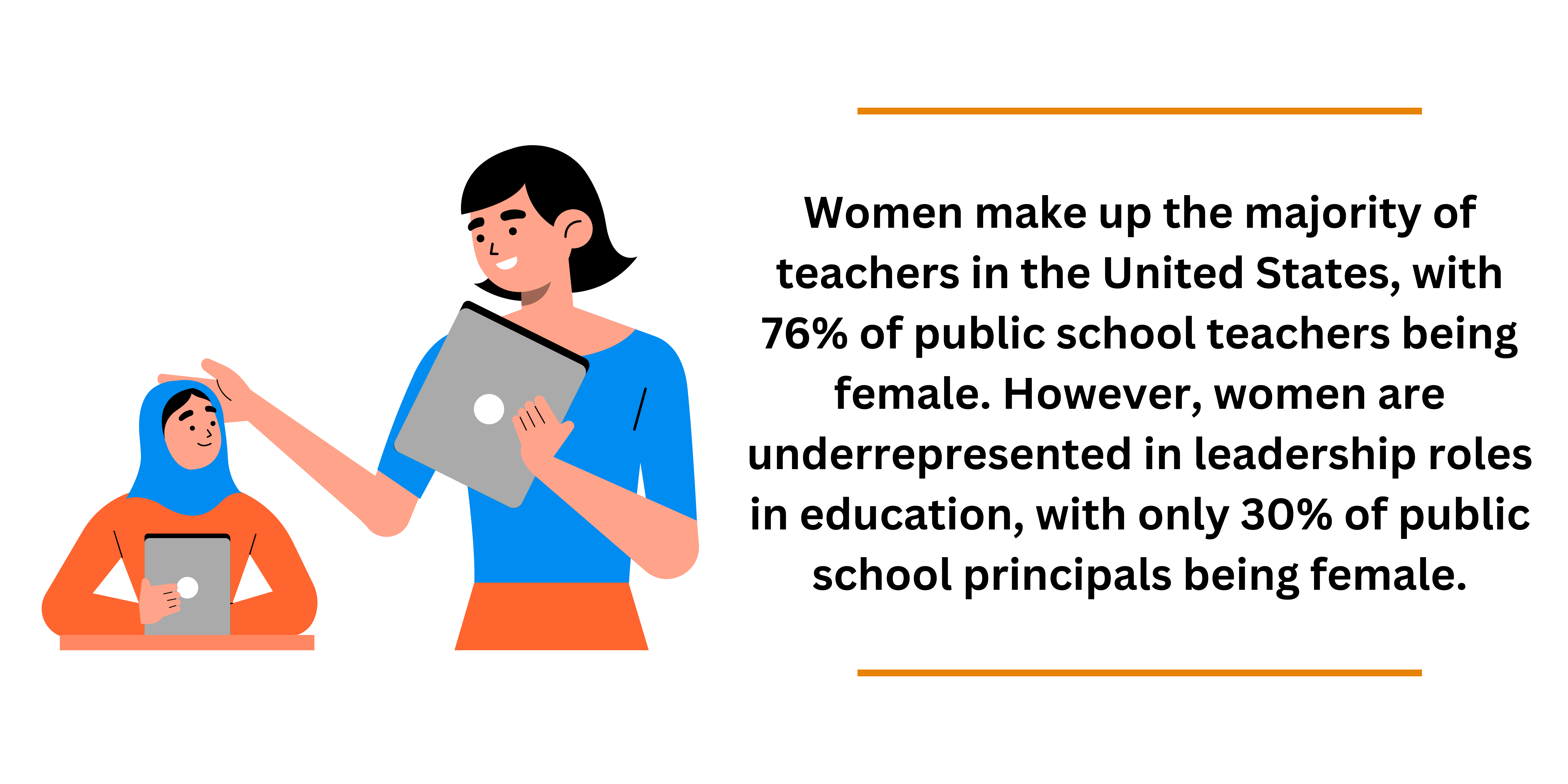
Teach a Girl to Lead (Rutgers)
Run by the Center for American Women and Politics at Rutgers. Five ready-made lesson modules: Women and the Presidency, Women and Congress, Suffrage, Women of Color in American Politics, and Voting and Civic Engagement. There's also a state-by-state index of women's history websites, which is useful if your standards require local content.
Social-emotional learning with a focus on girls, though the organization is explicit that its curriculum is designed to work for students of all genders. Free downloads include SEL check-in routines for in-person and remote settings and a lesson on comfort zones and boundaries. Paid workshops and retreats sit alongside them.
Best known for after-school clubs, which run for grades 3-12 and need a staff sponsor. For classroom use, the free Women in Tech lesson plans are designed to drop into math, history, or computer science rather than requiring a dedicated CS period.
Media literacy built around the documentary Miss Representation. Curriculum comes in three versions, K-5, middle and high school, and high school through university, running up to eight weeks of 30- to 60-minute lessons. A free license is available, and paid classroom and school licenses exist for use with the film.
Worth being precise about this one: Girl Up is a student club program, not a lesson plan library. If a student wants to start a chapter, this is where the model and the network live. It's now fiscally sponsored by Global Fund for Children.
LGBTQ+
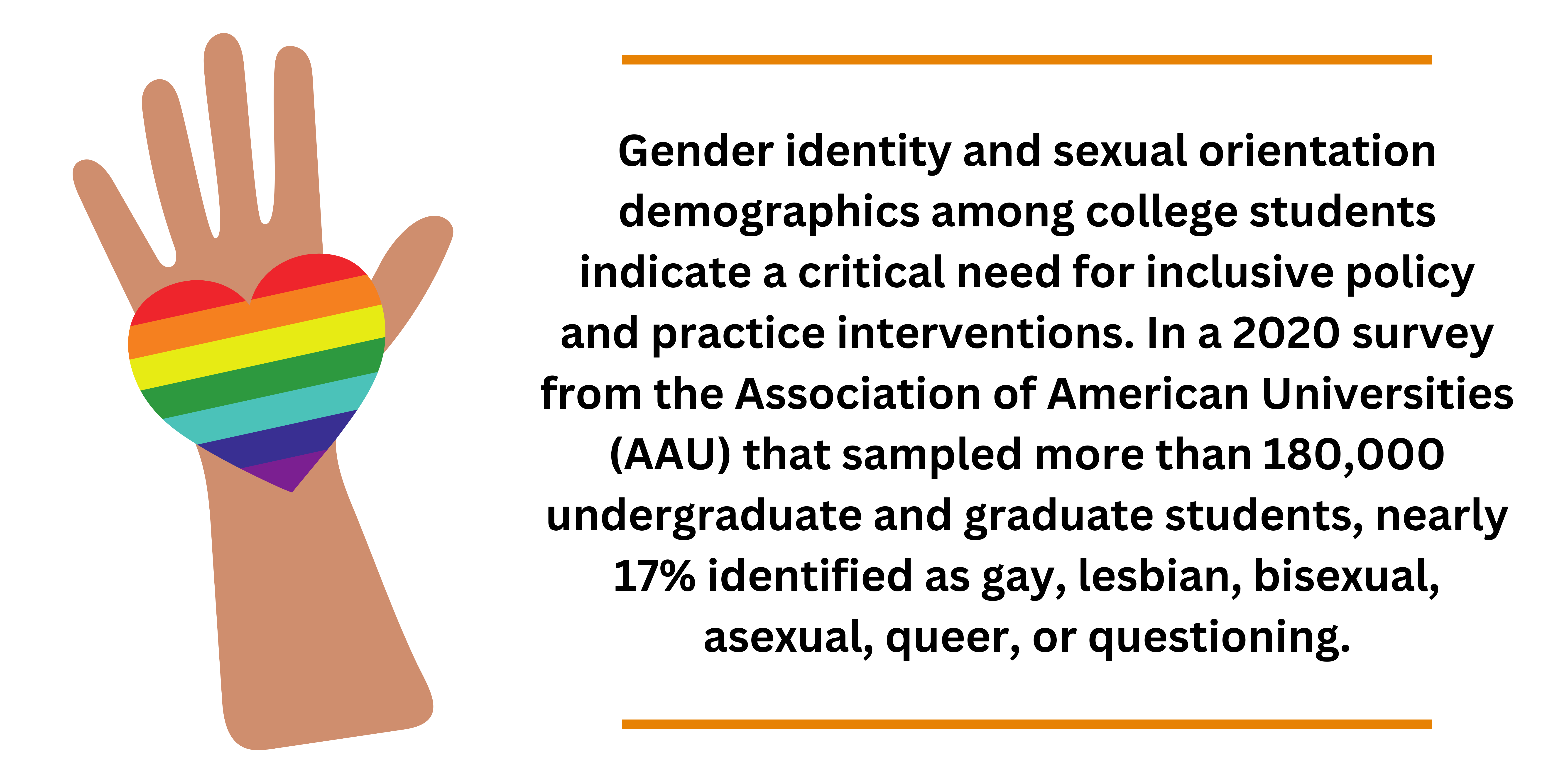
The organization long known as GLSEN now operates as Glisten, and the old domain redirects. Its educator guide covers classroom practice, staff roles, and administrator decisions separately, which is more useful than a single undifferentiated resource page. Glisten also runs the National School Climate Survey, the longest-running data source on LGBTQ+ student experience in U.S. schools.
Welcoming Schools (HRC Foundation)
Aimed primarily at elementary. Free downloadable lesson plans, a monthly book pick with a discussion guide, a two-page Pronouns 101 explainer, and a resource on supporting LGBTQ+ students who also receive special education services. Paid trainings are available virtually or in person.
Cultivating Respect: Safe Schools for All (PFLAG)
A short guide organized around ten concrete actions for teachers, counselors, and administrators dealing with bullying and harassment. Practical rather than theoretical, and quick enough to read in one sitting.
The Trevor Project: Creating Safer Spaces in Schools
The Trevor Project is a crisis and suicide prevention organization for LGBTQ+ young people. This particular guide is the classroom-facing one. Their wider resource library also covers allyship and intersectional identity, and their crisis line is the thing to know about if a student ever needs more than a classroom can offer.
Genders and Sexualities Alliance clubs are student-led, but they require a staff advisor to exist. The Advisor Handbook is written for exactly that role, and the resource library can be filtered to "Adults and Allies." There's also a step-by-step toolkit for starting or rebuilding a club.
BIPOC
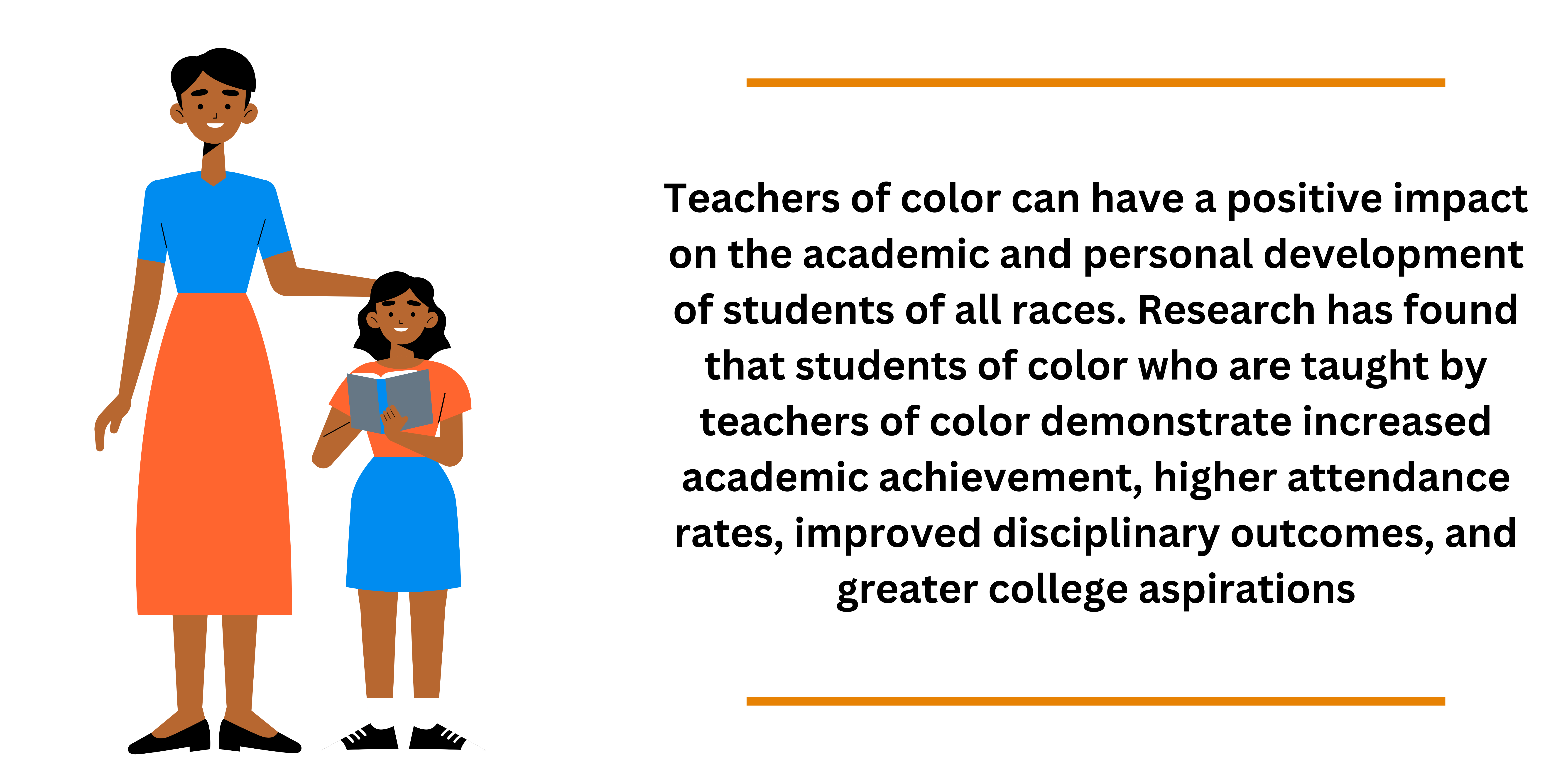
Formerly Teaching Tolerance, and now hosted on the Southern Poverty Law Center's main site rather than its own domain. Two recent pieces are directly on point for this topic: an Inclusive Classroom Facilitation Model that reframes classroom management around student-centered practice, and a practical article on applying UDL. The older archive remains available separately.
Center for Culturally Responsive Teaching and Learning
Led by Dr. Sharroky Hollie, built around a named method: Validate, Affirm, Build, Bridge. The free resources page carries handouts, keynote slides, and culturally authentic text lists. Paid online and in-person professional learning runs alongside it.
Free downloadable lessons for middle and high school history, filterable by theme, time period, and reading level. A free account is required to download the full versions. Run jointly by Rethinking Schools and Teaching for Change.
National Museum of African American History and Culture: Teaching and Learning
The museum's education unit builds programs and resources for grades 3-12 across history, visual arts, and STEM. Note that the old Talking About Race portal has been folded into this broader educator section, so bookmarks from a few years ago will land you somewhere different than you expect.
A teacher-founded magazine now in its fortieth year, plus a book catalog. Be clear-eyed about the model: some articles are free to read, but the magazine is a paid subscription and the books are for sale. Planning to Change the World, their plan book for social justice educators, is published annually.
AAPI
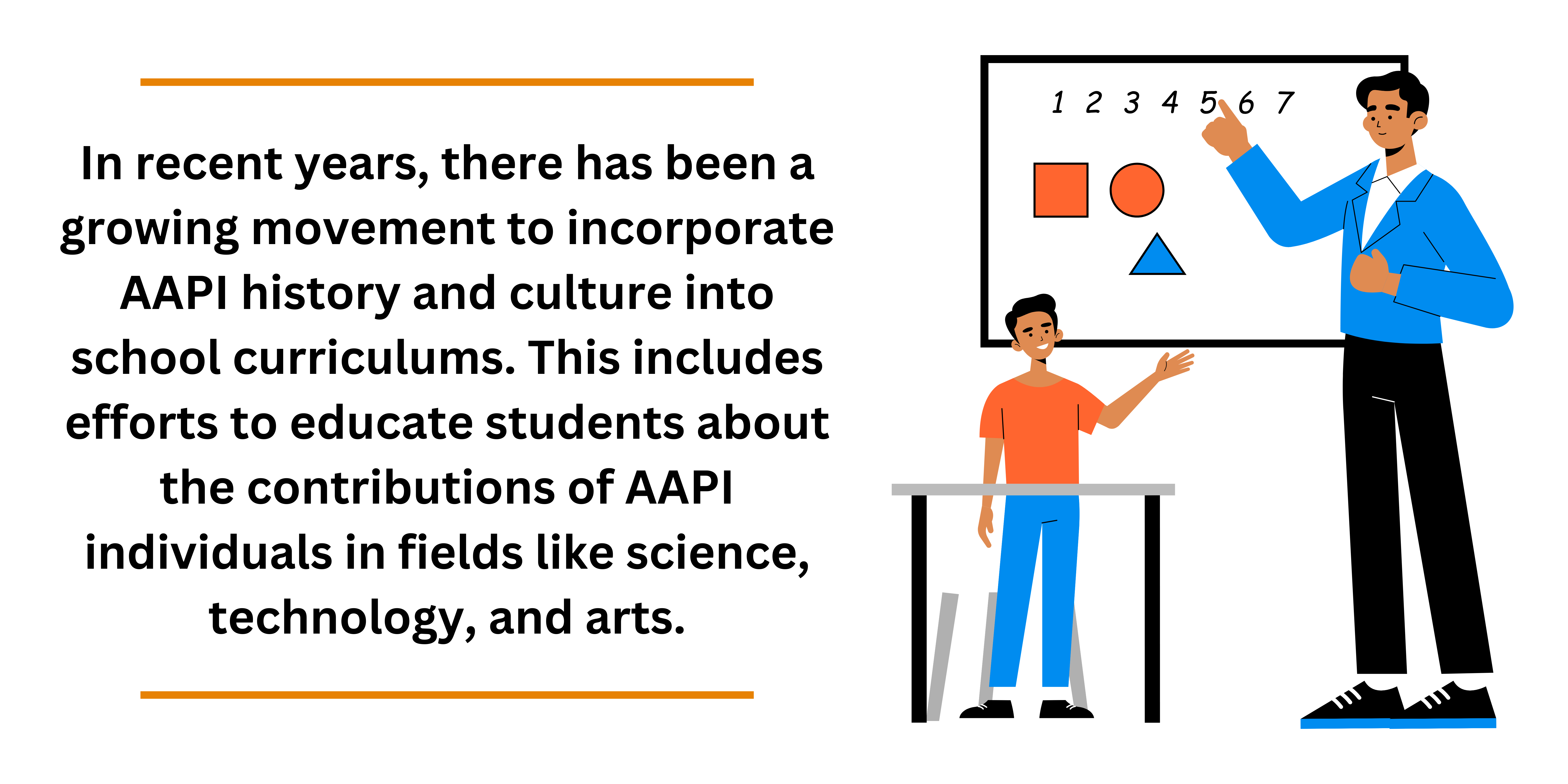
The Asian American Education Project
The deepest AAPI curriculum collection in this list: more than fifty free K-12 lesson plans, developed with the UCLA Asian American Studies Center, Stanford's SPICE program, and PBS LearningMedia. There are thematic units, graphic novels, picture book guides, and state standards alignments. Free professional development workshops run throughout the year.
Asian Pacific American Heritage Month: For Teachers
A federal collaboration among the Library of Congress, National Archives, National Endowment for the Humanities, National Gallery of Art, National Park Service, Smithsonian, and the U.S. Holocaust Memorial Museum. Heavy on primary sources: Chinese Exclusion Act documents on DocsTeach, Japanese American incarceration materials, and NEH lesson plans on annexation, poetry, and citizenship.
Smithsonian Asian Pacific American Center: Learning Together
Organized into four strands: addressing anti-Asian racism, activities for students and families, content that complements social studies units, and AAPI voices in literature. Most entries name a grade band, which saves guessing. It also carries Native Hawaiian and Pacific Islander material, including the Our Stories digital storytelling initiative, that's hard to find elsewhere.
LatinX
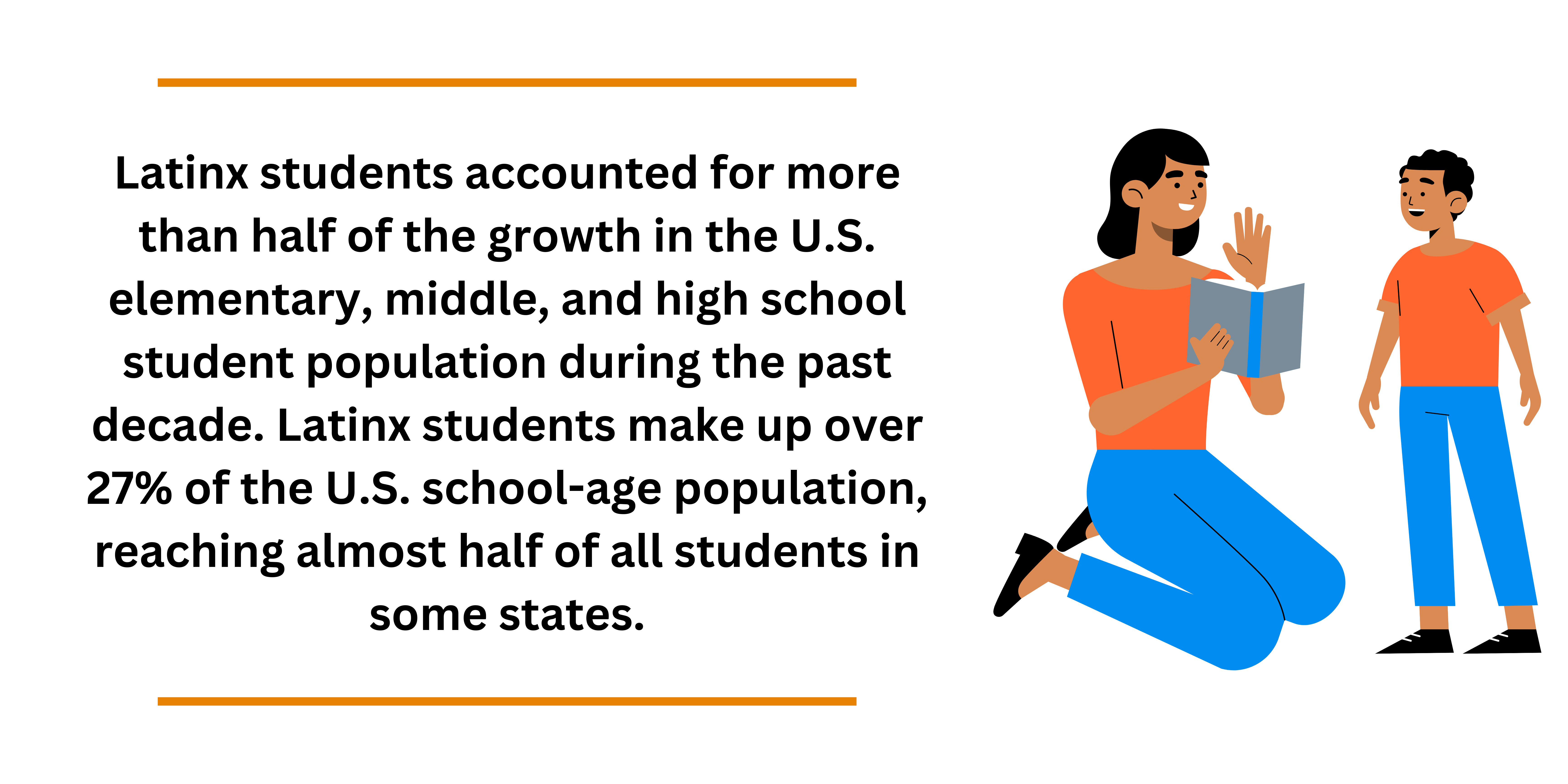
The single most practical resource in this section, and worth using even if your multilingual learners aren't Spanish-speaking. A WETA project funded by the AFT and NEA. The ELL Classroom Strategy Library, the Creating a Welcoming Classroom section, and ELL resources indexed by state are all free, and reading tip sheets for families come in thirteen languages.
Two streamable documentaries, two on-demand webinars, and lesson collections on the 1968 East LA school walkouts and the Delano grape strike. Aimed at middle and high school.
Anti-Defamation League: Ideas for Educators
PreK-12 curriculum plus a Calendar of Observances that's useful year-round. The page makes a point worth repeating: Hispanic Heritage Month runs September 15 to October 15, and confining this material to those four weeks defeats the purpose.
Organized by grade band from preschool through twelfth grade, and within each band by activity type: videos, texts, hands-on activities, interactives. If you want something you can use tomorrow morning without adaptation, start here.
UnidosUS: Know Your Rights at School
UnidosUS, formerly the National Council of La Raza, is the country's largest Hispanic civil rights organization. This page covers the federal protections that apply to all school-age children regardless of immigration status, grounded in Plyler v. Doe.
Religion
The Pluralism Project (Harvard)
Thirty years of documenting religious life in America, covering seventeen traditions from Bahá'í to Zoroastrianism. The Case Initiative adapts the business school case method to teaching about religion, which gives you discussion material rather than lecture notes.
Courses, curricula, and tools for teaching religious pluralism. Their older Teaching Interfaith reading list is still online but carries an archived notice and skews toward university and seminary coursework, so the curriculum section is the better starting point for K-12.
Frequently Asked Questions
What does an inclusive classroom actually mean?
It has two common meanings, and people talk past each other constantly. In special education, it refers to students with disabilities learning alongside their peers in the general education setting. IDEA does not mandate placement for every student. It requires an individualized decision under the least restrictive environment provisions, so what inclusion looks like differs from student to student. More broadly, it describes a classroom where students of any background can participate fully. Most of the resources here serve the second meaning, but the disability section speaks to the first.
Where should a teacher start if they only have an hour?
Read the CAST UDL Guidelines and check one upcoming lesson against them. Reviewing a lesson against the Guidelines can help you identify places where accessibility or participation might improve.
Are these resources free?
Most are, but not all. CAST's Guidelines, PROGRESS Center materials, IRIS modules, Understood, Colorín Colorado, and the Asian American Education Project lesson plans cost nothing. Rethinking Schools runs on subscriptions and book sales, CAST's book catalog is a store, and several organizations offer free materials alongside paid professional development. Each entry above says which.
Do I need administrator approval to use these?
That depends on your district and your state, and the answer has changed in a number of places since these materials were first published. Curriculum adoption policies, and rules on supplemental materials, vary widely. Check your district's process before building a unit around any outside curriculum.
How often do resources like these disappear?
More often than you'd think. Organizations restructure, rebrand, or shut down, and links rot quietly. Two entries on the earlier version of this page had gone dead, and one domain had been taken over by an unrelated commercial site. If you keep a personal bookmark list, it's worth re-checking once a year.
Key Takeaways
- Framework before materials - Universal Design for Learning gives you a way to evaluate any lesson, which is more durable than a folder of downloads.
- Know what you're getting - these organizations offer very different things: lesson plans, professional development, policy guidance, and book lists are not interchangeable.
- Free is common but not universal - several of the strongest resources here are fully free, and a few of the best-known ones run on subscriptions.
- Federally funded centers are worth knowing - PROGRESS and IRIS publish free, classroom-ready material on teaching students with disabilities.
- Check before you build - district policies on supplemental materials vary, and links to outside organizations go stale faster than most teachers expect.
If this list has you thinking about a formal credential, special education, ESL, and reading are common areas for practicing teachers to add, though what the credential is called and how it is earned depend on your state and your goals. Many programs are built around a full-time teaching schedule. Our guide to teaching degrees lays out the levels.
Teachers who go deep on inclusive practice often end up wanting a credential to match. Special education, ESL and ELL, and reading credentials vary by state and may require specified coursework, an approved preparation program, classroom experience, assessments, or other conditions, and a master's in curriculum and instruction does not by itself add a teaching credential. The sponsored programs on this page include online and hybrid formats built for people already teaching full-time. Verify that a program meets your state's requirements before enrolling.
- AI Tools for Teachers: What Actually Saves You Time - April 11, 2024
- Benefits of Teaching: What the Job Actually Gives Back - September 15, 2023
- How to Choose a Teaching Degree Program: 7 Things to Check - August 15, 2023